
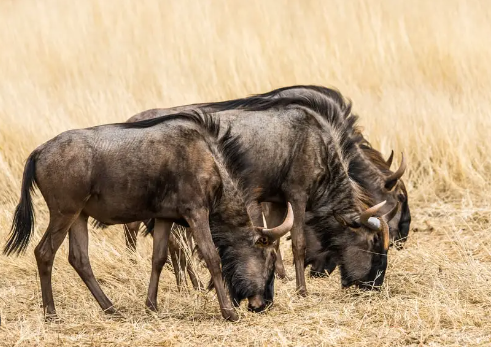
Grazing Giants: Unveiling the Natural Diet of Wildebeest Herds
Understanding the diet of wildebeest herds is essential not just for wildlife enthusiasts, but also for anyone interested in conservation and ecosystem dynamics. These magnificent grazers play a significant role in their habitats, influencing vegetation patterns and providing nourishment for countless predators. Join us as we explore the fascinating natural diet of wildebeest and their grazing habits.
The Grass Grazers: A Specialized Diet
Wildebeest, also known as gnus, primarily feast on a variety of grasses. Their digestive systems are finely tuned to extract nutrients from tough grassy blades, which are abundant in their native savannah ecosystems. While they prefer high-quality grasses, they can adapt to poorer-quality forages, making them resilient herbivores. These grazing giants typically graze in open areas where grass grows abundantly, and their constant movement helps maintain the health of the grasslands by preventing overgrowth and promoting new growth.
Seasonal Grazing Patterns: Following the Rain
Wildebeest are migratory animals, and their diet is closely linked to seasonality and rainfall patterns. During the rainy season, they move toward lush, green pastures that sprout after rains, ensuring access to nutritious food. As the dry season approaches and water resources dwindle, these herds embark on epic migrations, sometimes covering hundreds of miles in search of greener grazing grounds. This dynamic movement not only supports the herd’s health but also aids in nutrient distribution across the ecosystem, benefiting other herbivores and plant life.
The Role of Social Behavior in Grazing Strategies
Wildebeest herds are social animals, and their group dynamics significantly influence their grazing habits. By grazing in large groups, wildebeests benefit from collective vigilance; one wildebeest can alert others to potential threats while they feed. Additionally, this social structure allows them to cover vast expanses of land, ensuring they efficiently utilize available resources. Mothers often teach their calves to graze alongside them, fostering not only survival skills but also social bonds essential for the herd’s cohesion.
Conclusion
The natural diet of wildebeest herds is a captivating blend of adaptability, seasonal migration, and social behavior that highlights their importance in the ecosystem. Understanding their grazing habits provides insights into the intricate links between wildlife and the environment. If you’re intrigued by the natural world and want to learn more about the lives of these magnificent creatures, consider following wildlife documentaries or visiting national parks where you can observe wildebeest in their natural habitats. Immerse yourself in their world and discover the beauty of nature’s grazing giants!