
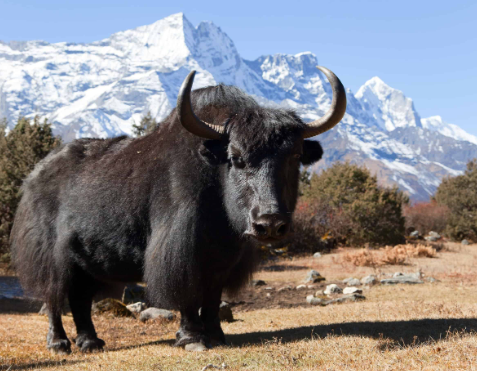
The Grazing Giants: Unveiling the Natural Diet of Wild Yaks
Wild yaks are remarkable creatures that roam the high altitudes of the Tibetan plateau and surrounding regions. Understanding their natural diet is essential for conservation efforts and maintaining their habitats. Let’s explore what these impressive animals eat and how it impacts their health and survival.
Types of Vegetation Consumed by Wild Yaks
Wild yaks primarily feed on a variety of grasses, sedges, and shrubs that thrive in their high-altitude environment. During the summer months, they graze on nutrient-rich grasses that provide the energy needed for their robust bodies. In colder seasons, they rely on tough, hardy plants that can withstand harsh weather conditions. Their ability to adapt their diet based on seasonal availability ensures they receive necessary nutrients year-round. This diverse grazing habit plays a crucial role in maintaining the ecological balance of their habitat.
The Role of Gut Microbes
One fascinating aspect of a wild yak’s diet is the diversity of gut microbes that aid in digestion. The unique digestive system of yaks allows them to break down fibrous plant material efficiently. This symbiotic relationship with microbes helps them extract maximum nutrients from tough grasses and other vegetation. Additionally, healthy gut flora can boost the yak’s immune system, helping them thrive in challenging environments. Researchers continue to study these microbes to understand their role in the yak’s diet and overall health better.
Impacts of Diet on Behavior and Social Structure
A wild yak’s diet also influences its behavior and social structure. Because they thrive in herds, their grazing habits are often cooperative, with groups moving as a unit to search for the best vegetation. Social interactions are vital for their survival, as they help protect one another from predators. The availability of food sources affects their migration patterns, leading them to travel great distances in search of suitable grazing areas. Understanding these behaviors can give insight into how changes in climate or human encroachment may affect wild yak populations in the future.
In conclusion, the natural diet of wild yaks is a vital aspect of their lives, contributing to their survival and the health of their ecosystem. By learning more about these magnificent creatures and their grazing habits, we can better appreciate their role in nature and the challenges they face. Interested in exploring more about wild yaks or supporting conservation efforts? Dive deeper into this fascinating subject and become an advocate for these grazing giants!