
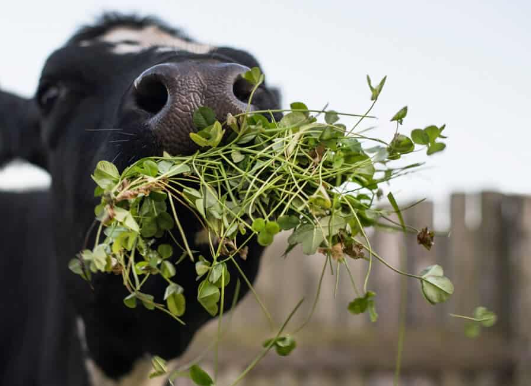
The Natural Diet of Wild Cows: Understanding Their Eating Habits
Understanding the diet of wild cows offers valuable insights into their health, behavior, and ecological role. Recognizing these dietary preferences can inform agricultural practices and contribute to sustainable farming. Let’s explore the natural diet of these fascinating animals.
Diverse Foraging Habits
Wild cows primarily graze on grass, which forms the cornerstone of their diet. However, their foraging habits extend beyond just grass. They also consume a variety of plants, including herbs, shrubs, and the leaves of trees. This diverse diet enables them to extract the necessary nutrients and minerals from their environment, promoting overall health and vitality. It also highlights their role as natural grazers who help maintain the balance of grassland ecosystems by preventing overgrowth.
Seasonal Variations in Diet
The diet of wild cows is not static; it changes with the seasons. In spring and summer, when fresh grass is abundant, cows primarily graze on tender shoots that are rich in nutrients. As autumn approaches, they may turn to tougher grasses and forage on shrubs and available foliage. In winter, their diet often includes dried grasses and woody plants, showcasing their adaptability to different environments. This seasonal variation also illustrates the importance of seasonal grazing patterns for both cow health and ecosystem management.
Social Eating Behaviors
Wild cattle are social animals, a fact clearly reflected in their feeding habits. They typically forage in herds, a behavior that enhances the efficiency of finding food resources. When grazing together, herds can observe and learn from each other, identifying which plants are safer and more nutritious, thus optimizing their overall feeding strategy. Furthermore, herd feeding significantly improves safety, as more individuals are collectively wary of predators, making the entire group more resilient in the wild.
Therefore, the cooperation and order exhibited by cattle herds in natural ecosystems are often seen as symbols of strength, stability, and harmony with nature. This symbolism extends to art and landscape design; for example, placing cow garden sculptures in gardens or public spaces not only reflects the ecological value of cattle in nature but also conveys the concept of coexistence between humans and nature.
In summary, exploring the natural diet and herd behavior of wild cattle helps us understand the complexity of their feeding habits and their vital role in ecosystems. This understanding not only deepens our appreciation of these majestic animals but also provides insights for ecological conservation and sustainable agricultural practices. If you wish to experience this natural force more directly, you may wish to study the topic further or visit a local wildlife sanctuary to observe firsthand the lives of cattle in their natural habitat.