
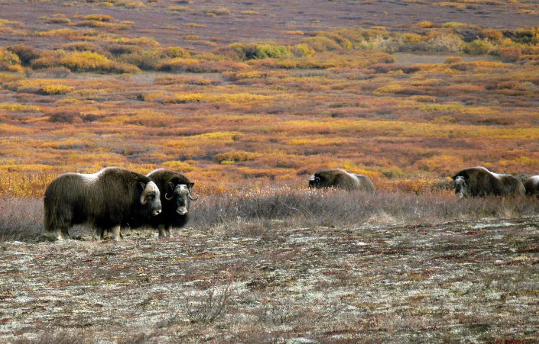
Musk Oxen: Nature’s Foragers and Their Unique Grazing Patterns
Musk oxen, with their impressive horns and thick coats, are fascinating creatures that thrive in the harsh Arctic tundra. Understanding their grazing behavior not only sheds light on their adaptation strategies but also helps us appreciate the delicate balance of Arctic ecosystems. Let’s dive into the unique feeding habits of these remarkable animals.
The Grazing Preferences of Musk Oxen
Musk oxen are herbivores that primarily feed on grasses, mosses, and other low-lying vegetation. Their unique foraging habits allow them to thrive in an environment where food can be scarce. During the warmer months, they can often be seen grazing on blossoming plants, which provide them essential nutrients. Interestingly, musk oxen don’t just consume everything in their path; they show a strong preference for specific plants, often opting for more nutritious and tender leaves. This selective grazing helps maintain the vegetation in their habitat, contributing to the overall health of the ecosystem.
Seasonal Grazing Patterns
Musk oxen exhibit seasonal grazing patterns that reflect their adaptability to changing environments. In summer, when food is abundant and plants are lush, they tend to roam more widely in search of the most nutritious options. Conversely, as winter approaches and resources dwindle, they form larger herds. This behavior not only makes it easier for them to find food but also offers protection against predators. During the winter months, musk oxen will often graze on frozen tundra, digging through snow to reach the vegetation below. Their ability to find sustenance in harsh conditions showcases their resilience and keen foraging instincts.
Social Grazing Behavior
Social structures play an essential role in how musk oxen graze. Typically, these animals are found in groups that can range from a few individuals to several dozen. This social aspect aids in locating food sources more efficiently, as individuals often share knowledge about the best grazing spots. Additionally, the protection afforded by a larger group can reduce stress and competition among animals. By grazing collaboratively, they help stabilize their environment and promote biodiversity, making them integral players in their ecosystem.
In conclusion, musk oxen are not just fascinating creatures but essential components of the Arctic tundra. Their unique grazing behaviors and adaptations to seasonal changes paint a vivid picture of survival in one of the Earth’s most extreme environments. If you’re intrigued by these incredible animals and their roles in nature, consider exploring more about their habitats, social structures, and the conservation efforts that support them. Understanding our planet’s wildlife helps us encourage respect and stewardship of these magnificent ecosystems.