
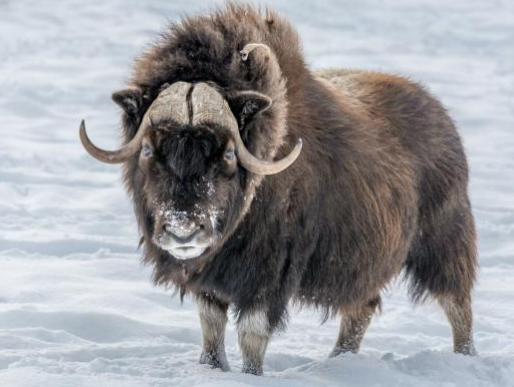
Unveiling the Musk Ox Diet: What Keeps These Arctic Giants Grazing?
Musk oxen are fascinating creatures that have adapted to survive in some of the harshest climates on Earth. Understanding their diet is essential to appreciate their role in the ecosystem and how they thrive despite extreme cold. Let’s explore what fuels these incredible Arctic giants.
The Natural Grazers of the Arctic
Musk oxen primarily feast on the grasses, mosses, and lichens found across the tundra. During the summer months, they enjoy the bounty of tender grasses and flowering plants, which provide the energy they need to grow and maintain their thick fur. In winter, when food is scarce under blanket snow, these resilient creatures dig through the snowpack to uncover lichens, which are a crucial part of their diet. This varied diet not only provides essential nutrients but also helps them adapt to the seasonal changes in their environment.
The Role of Nutrition in Survival
Nutritionally, musk oxen have evolved to extract maximum benefits from their unique diet. Their specialized digestive systems allow them to break down tough plant material effectively. Additionally, the high-fat content of mosses and lichens is vital for energy storage, helping them maintain body heat in freezing temperatures. Interestingly, these mammals can also consume relatively low-quality forage, demonstrating their incredible adaptability. By adjusting their diet based on seasonal availability, musk oxen can survive when other food sources may be limited.
The Impact of Climate Changes on their Diet
Climate change poses a significant threat to the diets of musk oxen. As temperatures rise, the distribution of their primary food sources may shift, with some habitats becoming less conducive for growth. Warmer winters may affect the thickness and availability of the snow cover, making it easier for these animals to access food, but rising summer temperatures could lead to droughts that reduce plant growth. These changing conditions could impact not only the musk oxen’s health but the larger Arctic ecosystem they are part of, as they play a crucial role in nutrient cycling.
In conclusion, the diet of musk oxen is a fascinating reflection of their ability to thrive in rugged environments. From grazing on summer grasses to foraging through winter snow, they have developed remarkable adaptations to meet their dietary needs. As our climate continues to evolve, understanding these adaptations is more important than ever. Dive deeper into the world of musk oxen and their dietary habits to gain further insights into their survival strategies and the ecological challenges they face!