
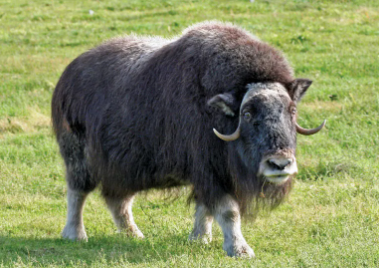
Musk Oxen: Nature’s Cold Survivors and Their Unique Diet
Musk oxen are remarkable creatures, perfectly adapted to thrive in some of the harshest environments on Earth. Their unique diets and incredible cold survival strategies make them fascinating subjects of study for ecologists and nature lovers alike. In this post, we’ll explore how these magnificent animals sustain themselves in frigid conditions and adapt to their surroundings.
The Musk Ox Diet: Adapting to the Arctic
Musk oxen primarily graze on a diet of grasses, sedges, and woody plants, which are abundant in their Arctic habitats. One of the most interesting aspects of their diet is their reliance on a special type of vegetation, such as Arctic willow and various lichens. These plants are not only rich in nutrients but also crucial for survival during harsh winters when food sources are scarce. During the summer, musk oxen consume a greater variety of plants and even some flowering herbs. Their ability to switch diets seasonally showcases their resilience and adaptability in an ever-changing environment.
Cold Adaptation: Nature’s Ingenious Design
The musk ox’s ability to endure extreme cold is truly a marvel of nature. With their thick, long wool and a dense undercoat known as qiviut, they can withstand temperatures plummeting to -40 degrees Fahrenheit. This unique fur not only provides insulation but also repels water, keeping them dry and warm. Additionally, their large body size helps minimize heat loss, allowing them to conserve energy during bitterly cold Arctic nights.
Social Behavior and Survival Tactics
Musk oxen have developed interesting social behaviors that further assist in their survival. They often travel in herds, which provides protection from predators such as wolves and bears. When threatened, musk oxen form a defensive circle, with the young and vulnerable in the center. This remarkable social structure not only showcases their protective instincts but also highlights the importance of community in adapting to severe weather and environmental challenges.
Conclusion
Musk oxen are truly remarkable animals, showcasing nature’s resilience with their unique diets and adaptations to cold climates. Understanding their survival strategies offers vital insights into the importance of preserving their habitats and the delicate ecosystems they inhabit. If you’re intrigued by wildlife and want to learn more about these Arctic survivors, consider exploring local resources or visiting a wildlife sanctuary where you can observe them in their natural environment!