
The Digestive Marvel: How Yaks Thrive on Tough Terrain
Yaks are fascinating creatures that have adapted remarkably to survive in some of the harshest environments on Earth. Known for their resilience, yaks thrive in the rugged terrains of the Himalayas and Tibetan Plateau, where the vegetation is often poor and uninviting. Understanding how yaks digest tough plant material not only highlights their unique biology but also sheds light on sustainable living in challenging climates.
Unique Digestive System
Yaks possess a remarkable four-chambered stomach, similar to that of cows, which allows them to efficiently break down tough and fibrous vegetation. This digestive system is specially designed to ferment plant material, converting it into energy that can sustain their active lives at high altitudes. The chambers work together, with the first two serving as fermentation vats where microbes break down cellulose. This process is crucial, as the majority of the plants yaks eat are high in fiber and low in nutrients, making their extraordinary ability to utilize these resources indispensable for survival.
Specialized Diet
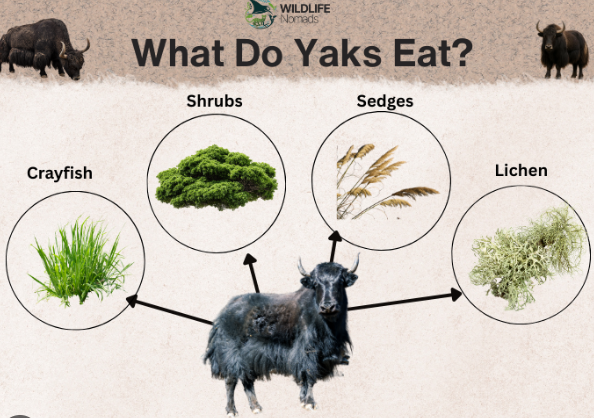
Yaks primarily feed on grasses, shrubs, and other vegetation that are hardy enough to withstand harsh weather conditions. They can consume plants that other livestock might pass up, thanks to their long, rough tongues and strong teeth, which allow them to graze effectively. One of their main food sources is the “cow grass” found in alpine meadows, which may not seem appealing to us but is rich in fiber. Moreover, yaks are able to locate and digest nutritious snacks like mosses and lichens that grow in rocky regions, giving them an edge in their challenging habitat.
Adaptations for Harsh Climates
In addition to their specialized digestive system, yaks have a suite of physical adaptations that help them thrive in extreme environments. Their thick, shaggy fur provides insulation against cold temperatures, while their large lungs allow them to breathe more efficiently in high altitudes where oxygen levels are low. Yaks are also able to store fat as energy reserves, which they can rely on when food is scarce, particularly during long winters when vegetation is minimal. These adaptations provide yaks with a well-rounded toolkit for thriving where many other animals would struggle.
The Relationship with Their Environment
Yaks not only survive in harsh terrain but also play a vital role in their ecosystem. As herbivores, they contribute to the balance of plant life, preventing certain species from overtaking the landscape. Additionally, their grazing patterns help aerate the soil and facilitate plant growth. This relationship highlights the importance of yaks in maintaining the ecological integrity of their high-altitude environments, making them not just survivors, but integral parts of their ecosystems.
In conclusion, yaks are remarkable animals that showcase the wonders of evolution and adaptation. Their ability to thrive on tough vegetation in harsh environments serves as a powerful reminder of nature’s resilience. If you’re intrigued by how animals adapt to their surroundings, consider exploring more about these astonishing creatures and their habitats. You may find inspiration to implement sustainable practices in your own life or simply gain a deeper understanding of our world’s diverse ecosystems.