
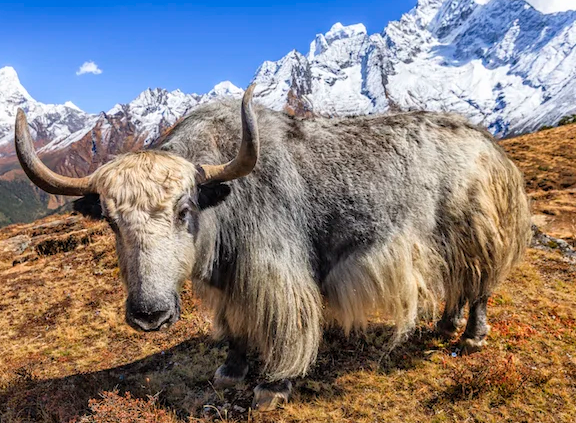
Nourishing Giants: How Yak Diet Fuels Life at Extreme Altitudes
The yak is a remarkable creature, thriving in the challenging conditions of high altitudes. Their unique diet plays a vital role in not only their survival but also in supporting the communities that rely on them. Understanding what yaks eat and how it helps them adapt to their harsh environment offers valuable insights into their incredible resilience.
The Unique Diet of Yaks
Yaks are herbivores that graze on a variety of tough, fibrous plants that most other animals struggle to digest. Their diet primarily consists of grasses, shrubs, and lichen. These hardy plants are specifically adapted to thrive in the cold, dry conditions of the Himalayas and Tibetan plateau. Yaks have a unique digestive system equipped with multiple stomach chambers, allowing them to convert these coarse plants into energy efficiently. This adaptation is essential for living at altitudes where oxygen is scarce and food sources are limited.
Nutritional Benefits for High-Altitude Survival
The yak’s diet not only sustains them but also provides essential nutrients that help them adapt to extreme conditions. The high-fat content in their diet is crucial for energy in the freezing temperatures. Additionally, the vitamins and minerals found in the plants they consume support their immune systems and enhance their physical resilience. This means yaks can not only survive but thrive at altitudes of up to 20,000 feet, providing a stable source of meat, milk, and wool for local communities.
Supporting the Local Ecosystem and Economy
Yaks play a significant role in the livelihoods of the people living at high altitudes. Their sustainably sourced diet contributes to the local ecosystem by helping maintain the delicate balance of alpine flora and fauna. As herbivores, yaks help manage vegetation and prevent overgrowth, which can lead to soil erosion. Moreover, by providing milk, meat, and fiber, yaks offer critical resources for local economies. In many regions, yak milk is a staple food, while their wool is used for clothing and shelter, showcasing how their dietary choices impact the broader community.
In Conclusion
Learning about the yak’s diet reveals much about resilience in extreme environments. These incredible animals not only adapt to high altitudes through their unique nutritional requirements but also support the ecosystems and economies of their regions. By understanding their role, we can appreciate the interconnectedness of nature and the importance of every species in thriving communities. If you’re fascinated by yaks and their remarkable attributes, explore more about their habitat, behaviors, and the essential roles they play in sustaining life at high altitudes.