
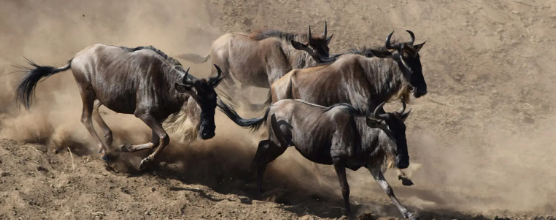
The Great Migration: How Wildebeest Forage Their Way to Survival
The Great Migration is one of nature’s most breathtaking spectacles, showcasing the incredible journey of millions of wildebeest across the African savanna. This fascinating phenomenon isn’t just a dramatic display; it’s a vital survival tactic driven largely by the animals’ dietary needs. Understanding how the wildebeest’s diet shapes their migration offers insights into their behavior and the dynamics of their ecosystem.
The Role of Grazing in Migration
Wildebeests are herbivores that primarily graze on grass. Their migration is heavily influenced by the availability of fresh, nutritious pasture. During the dry season, they move from the Serengeti in Tanzania to the Maasai Mara in Kenya in search of greener pastures. This journey can cover up to 1,800 miles and is not only arduous but also essential for their survival. The seasonal rains revive the grasses and create the lush terrain wildebeests need to thrive, prompting them to embark on this epic trek year after year.
Nutritional Needs Drive Movement
Wildebeests can consume massive amounts of grass, but not all grasses are equal. During the migration, they look for young, tender shoots that contain higher nutritional value and are easier to digest. This need for quality forage shapes their route and timing, as they must stay ahead of the grass’s maturity, which can quickly become tougher and less nutritious. As they graze, they also play a crucial role in their ecosystem by helping to maintain grassland health and encourage new growth, which benefits not just themselves but also other herbivores and the animals that prey on them.
Predator-Prey Dynamics
Wildebeest migration also affects the predator-prey dynamic within the ecosystem. As they move, they draw in predators like lions, hyenas, and crocodiles, providing them with ample food opportunities. This relationship highlights the interconnectedness of life on the savanna. By migrating en masse, wildebeests increase their chances of survival; the sheer number of animals can overwhelm predators, allowing some individuals to escape. At the same time, this constant movement keeps predator populations in check, demonstrating how dietary needs can influence not only the fate of wildebeests but also the overall balance of the ecosystem.
In summary, the Great Migration is a captivating example of how the search for food drives one of the most significant wildlife events on Earth. As wildebeests journey across vast distances in search of grazing grounds, they not only ensure their survival but also contribute to the health of their environment. To learn more about this stunning phenomenon and the amazing wildlife of the African savanna, explore documentaries or visit your local wildlife center. Engaging with nature can remind us of the delicate balance that sustains life on our planet.