
Survival of the Fittest: How Musk Oxen Thrive on Limited Nutrition
The musk ox, a remarkable creature native to the Arctic tundra, exemplifies the principle of “survival of the fittest.” These sturdy animals manage to thrive in environments where food is scarce and conditions are extreme. Understanding how musk oxen adapt to limited nutrition not only fascinates us but also teaches us valuable lessons about resilience and survival.
Adaptations to Harsh Environments
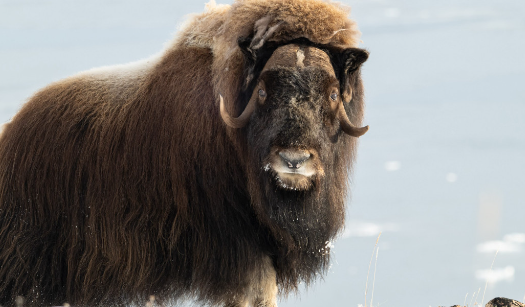
Musk oxen have evolved several adaptations that enable them to survive in their chilly habitats. Their thick, double-layered coat insulates them against freezing temperatures and harsh winds while retaining warmth. In terms of diet, they primarily graze on tough, fibrous plants such as grasses, mosses, and lichens. During summer, they feast on a bounty of vegetation, but as winter sets in, their food sources dwindle. Musk oxen have adapted by lowering their metabolic rates, allowing them to conserve energy when food is limited. This clever biological trick enables them to endure the harsh winter months with minimal sustenance.
Efficient Digestive Systems
Another fascinating aspect of musk oxen is their highly efficient digestive systems. They possess a specialized stomach that allows them to break down tough plant materials effectively. Their digestive process involves multiple chambers that ferment the food, extracting maximum nutrients from each bite. This adaptation is crucial when food is scarce, as it allows musk oxen to make the most of the limited nutrition available. Consequently, even in a harsh Arctic climate where food can be incredibly limited, these animals can meet their basic nutritional needs without overexerting themselves.
Social Structures and Foraging Behavior
Musk oxen are highly social animals, often forming herds that help them collectively navigate the challenges of their environment. Their social structure provides crucial support in finding food and protecting each other from predators. When resources become scarce, musk oxen work together to locate patches of grass or moss hidden beneath the snow. Additionally, being part of a herd helps them share warmth and reduces individual energy expenditure, particularly during extreme weather conditions. This cooperative behavior enhances their chances of survival in the unforgiving Arctic landscape.
In conclusion, musk oxen are a testament to the resilience of nature, thriving even when faced with limited nutrition. Their adaptations, efficient digestive systems, and social structures provide us with a glimpse into the remarkable ways these animals continue to survive in their challenging habitats. If you’re as intrigued by the musk oxen as we are, consider learning more about their fascinating lives and the ecosystems they inhabit, reminding us all of the wonders of adaptation and survival in the wild.