
Feeding the Future: How Climate Shapes Bovine Diets
As climate change continues to reshape our world, its impact on agriculture becomes increasingly critical. One of the more intriguing aspects is how it influences the diets of cattle. Understanding these changes is vital for ensuring sustainable food production and maintaining healthy livestock.
Understanding Bovine Nutrition
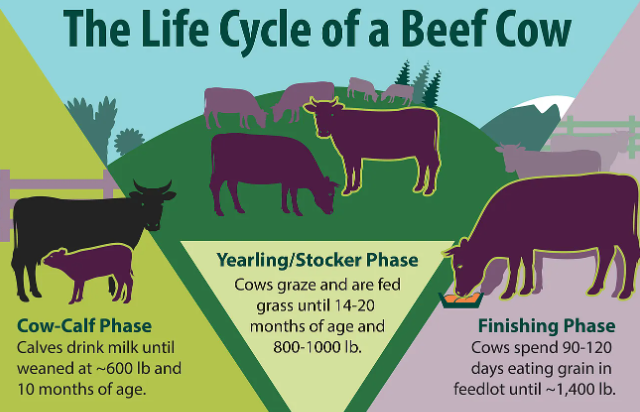
Cattle are ruminants, meaning they thrive on a diet rich in fibrous plants like grasses and grains. However, climate affects the availability and quality of these plants. For instance, rising temperatures and altered precipitation patterns can lead to droughts or floods, affecting crop yields. Additionally, nutritional content in forages can vary with climate conditions, impacting how well cattle grow and produce milk. Farmers are adapting by selecting plant varieties that are resilient under specific climatic conditions. This not only helps with animal health but also contributes to more sustainable farming practices.
The Role of Seasonal Changes
Seasonal variations also play a crucial role in the diets of cattle. In warmer climates, grasses may grow rapidly in the wet season but become sparse during dry months. This variability prompts farmers to plan their feeding strategies accordingly. During drier months, supplemental feeding—using silage, hay, or feed concentrates—becomes necessary to maintain nutrient levels in cattle diets. Farmers who are adaptable in their approach can reduce waste and ensure their livestock receive balanced nutrition year-round, ultimately enhancing the quality of meat and dairy products.
Innovations in Bovine Feeding Practices
With the challenges posed by climate change, innovation in feeding practices has become essential. Sustainable farming techniques, such as rotational grazing, allow cattle to feed on fresh pastures while minimizing land degradation. Additionally, advances in technology are enabling farmers to monitor pasture health and soil conditions more effectively. Enhanced tracking systems provide real-time data, helping farmers make informed decisions about when and how to adjust feeding plans. As research continues to unfold, farmers are better equipped to maintain optimal cattle nutrition despite climatic uncertainties.
Conclusion
The intersection of climate and cattle nutrition is a complex but vital topic. By understanding how climate influences bovine diets, farmers can adapt their practices to ensure the sustainability of food production. As we look to the future, it’s clear that informed choices and innovations will be key to successfully feeding a growing population. For those interested in delving deeper into sustainable agricultural practices, consider exploring further resources or connecting with local farming communities. Together, we can cultivate a resilient future for our livestock and food systems.