
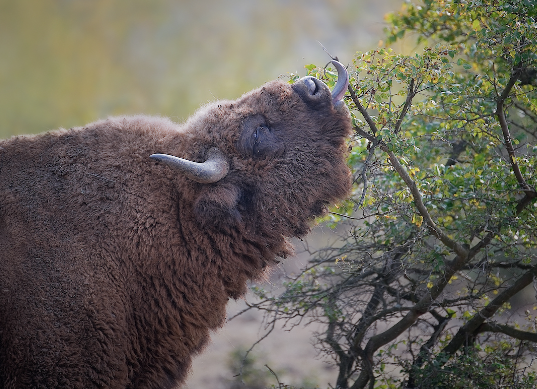
How Bison Find Food: Nature’s Grazing Giants
Bison are remarkable creatures known for their iconic presence on the plains of North America. Understanding how these majestic animals find food not only enriches our knowledge of wildlife but also highlights the importance of conserving their habitats. This article delves into the fascinating foraging behaviors of bison and how they adapt to their environments.
The Power of Their Sense of Smell
Bison have an extraordinary sense of smell, which helps them locate food over long distances. Their keen olfactory abilities allow them to detect grasses, herbs, and other vegetation even under snow. This skill is particularly beneficial during harsh winters when food is scarce. By sniffing out nutrient-rich plants, bison can sustain themselves and support their health, illustrating their adaptability in various climates.
Grazing Techniques and Habits
When it comes to feeding, bison are primarily grazers, opting for grasses as their main source of nutrition. They use their large, muscular tongues to uproot grasses and pull them into their mouths efficiently. Interestingly, bison often graze in herds, which not only promotes social interactions but also allows them to cover large areas in search of food. This communal approach ensures that they can find ample nutrition while helping maintain the ecosystem by naturally managing grasslands.
Seasonal Foraging Strategies
Bison are adept at adjusting their foraging strategies based on the season. In spring and early summer, they focus on tender young grasses, which are high in protein. As the seasons change, their diet shifts to include more fibrous, mature grasses and even shrubs. This seasonal adaptability helps them thrive in diverse environments, ensuring they can find the nutrients they need year-round. Additionally, bison play a crucial role in seed dispersal, contributing to the health and regeneration of their habitats.
Conclusion
Understanding how bison find food reveals not only their survival strategies but also their integral role in maintaining healthy ecosystems. By appreciating these magnificent animals and their behaviors, we can foster a deeper respect for wildlife and the environment. Whether you’re a nature enthusiast or simply curious about animal behavior, consider exploring local conservation efforts or visiting a national park to learn more about bison and their habitats.