
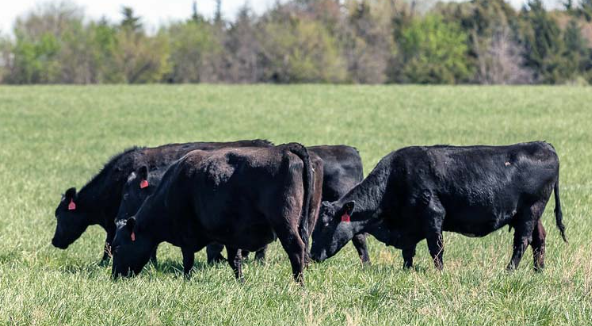
Taming the Grasslands: How Large Bovines Master Foraging Techniques
Grasslands cover nearly a quarter of the Earth’s land surface, providing a rich habitat for large herbivores, particularly bovines. Understanding how these majestic animals forage is not only a glimpse into their behaviors but is also essential for sustainable agriculture and conservation efforts. By learning about their feeding strategies, we can better appreciate the balance of ecosystems and improve livestock management practices.
Grazing Adaptations: Nature’s Design
Large bovines, such as cattle, buffalo, and bison, have evolved specific adaptations that make them exceptional grazers. Their complex digestive systems, featuring a four-chambered stomach, allow them to efficiently break down tough plant cellulose, enabling them to extract maximum nutrients from grass. Moreover, their wide mouths and flat teeth are perfect for grasping and grinding grassy material, making it easy for them to process their food quickly. These adaptations not only ensure their survival in often harsh environments but also help maintain the health of grasslands by allowing them to manage plant growth and promote biodiversity.
Seasonal Foraging: A Tactical Approach
Bovines don’t just randomly consume whatever grass is nearby; they are strategic foragers, often adjusting their diets based on the season and available resources. During the spring and summer months, when grass is lush and rich in nutrients, bovines tend to graze more heavily, taking advantage of the abundance. In contrast, during the winter months, they may shift to a diet that includes shrubs and other woody plants. This adaptability not only supports their own health but also contributes to the ecological balance by preventing overgrazing and enabling plants to regenerate. In essence, they act as natural managers of their habitat.
Social Structure and Foraging Behavior
The social structure of bovines plays a crucial role in how they forage. Living in herds, these animals exhibit fascinating social behaviors that aid in locating food sources. Through social learning, younger bovines observe and mimic the grazing habits of elder members, leading to a more efficient foraging strategy. Furthermore, by moving together, herds can cover larger areas and reduce the risk of predation. The presence of dominant individuals also influences where and when to graze, as they often lead the herd to the best pastures. This social dynamic not only benefits the individuals but also enhances the overall health of the grassland ecosystem.
Conclusion
Understanding the foraging techniques of large bovines gives us insightful lessons on the ecology of grasslands and the importance of these magnificent creatures. As we learn more about their grazing habits, we become better equipped to manage and protect these vital ecosystems. If you want to delve deeper into the world of grassland ecosystems and the animals that inhabit them, consider exploring resources on sustainable agriculture or wildlife conservation. The more we know, the better we can protect these incredible environments for future generations.