
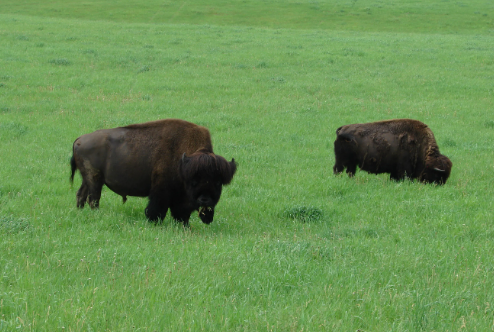
As the world becomes increasingly aware of environmental and health concerns, understanding the diets of animals like bison can provide valuable insight. The grass-based diet of bison not only nourishes these majestic creatures, but it also plays a significant role in sustainable agriculture and ecosystem health. Let’s explore how this natural diet benefits bison and the broader environment.
Health Benefits for Bison
A grass-based diet is essential for the health and well-being of bison. Grazing on native grasses provides them with the necessary nutrients, vitamins, and minerals, promoting strong bones and muscles. Unlike grain-fed alternatives, a natural diet fosters a healthier digestive system, which is crucial for minimizing diseases. Additionally, bison raised on grass tend to have better body condition scores, leading to enhanced reproductive success and longevity. This diet mirrors their ancestral practices, ultimately resulting in a more natural and fulfilling life for these animals.
Sustainability and Environmental Impact
The grass-based diet of bison plays a crucial role in promoting sustainable land management. As grazing animals, bison help maintain the health of grasslands by preventing overgrowth and supporting biodiversity. Their grazing patterns encourage new plant growth, which improves soil quality and sequesters carbon, contributing to the fight against climate change. Unlike conventional livestock farming, which often relies on intensive grain feeding and can lead to land degradation, grass-fed bison farming is more eco-friendly and aligns with regenerative agricultural practices. This not only benefits the bison but also the entire ecosystem and surrounding communities.
Culinary Appeal and Nutritional Value
Bison meat from grass-fed animals is not only delicious but also packed with nutritional benefits. It is leaner than beef, containing lower fat and fewer calories, making it a healthier alternative for meat lovers. Rich in protein, iron, and essential fatty acids, grass-fed bison meat offers a wholesome option for those looking to maintain a balanced diet. The unique flavor profile, characterized by a slightly sweet, rich quality, has made bison increasingly popular among chefs and health-conscious consumers alike. By opting for grass-fed bison, you are not only indulging in a tasty meal but also supporting sustainable farming practices.
Conclusion
The grass-based diet of bison is more than just a feeding choice; it encompasses health benefits for the animals, promotes environmental sustainability, and provides nutritious food options for consumers. As our awareness of food sources and their effects on the environment grows, embracing a grass-fed philosophy for bison can lead to a positive impact on both our plates and the planet. If you’re curious to learn more about bison, sustainable farming, or try some delicious bison recipes, take the next step and dive into the fascinating world of these incredible animals!