
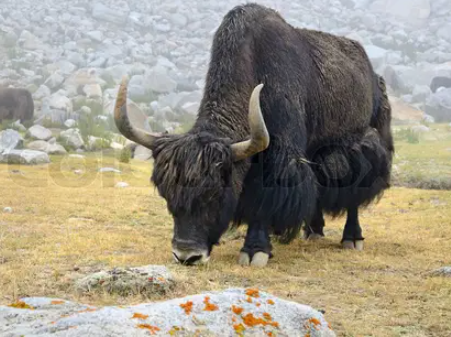
The diet of the yak is a vital aspect of its biology and environmental adaptation. Understanding what yaks eat, particularly the types of grass and herbs they prefer, can shed light on their health and influence livestock management practices. This knowledge helps both local farmers and researchers promote sustainable practices in the challenging terrains where yaks thrive.
Grass Varieties in the Yak Diet
Yaks primarily graze on a variety of grasses that grow in the high-altitude regions they inhabit. These tough, resilient grasses, such as alpine meadow fescue and bluegrass, are well-adapted to the cold, harsh climates of the Himalayas and Tibetan Plateau. Yaks have a unique digestive system that allows them to efficiently process fibrous plant material. This ability enables them to thrive on a diet predominantly composed of these grasses, which are high in fiber and low in nutritional value. Farmers often capitalize on this by selecting specific grass types for grazing areas, ensuring that yaks have access to nutritious foraging options year-round.
Herbs: A Nutritional Boost for Yaks
In addition to grasses, yaks also consume various herbs, which enhance their diet with essential nutrients. Wild herbs such as dandelions, clover, and angelica are often found alongside grasses in their natural habitat. These herbs are rich in vitamins and minerals that support the overall health of yaks. The consumption of herbs not only helps in digestion but also plays a role in boosting the immune system of the animals. For herders, knowing which local herbs are beneficial can lead to improved livestock wellness and productivity.
Seasonal Feeding Patterns
Yaks have adapted their feeding patterns based on seasonal availability of grasses and herbs. In warmer months, they graze on lush, green pastures, while in colder seasons, they rely on dried grasses and stored forage. Understanding these patterns is crucial for effective yak husbandry. Farmers must monitor forage availability and implement rotational grazing practices to prevent overgrazing and ensure that the land remains productive. Proper management of grazing areas can result in healthier yaks, which in turn leads to better quality milk and meat for local communities.
With yaks playing such a significant role in the livelihoods of many Himalayan communities, understanding their dietary preferences is essential. By focusing on the importance of grasses and herbs, we can promote better grazing practices that ensure the sustainability of these magnificent animals. If you’re interested in learning more about yak husbandry and sustainable grazing practices, consider exploring resources that delve deeper into this fascinating subject.