
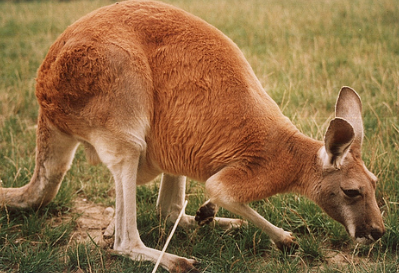
Grazing Giants: Unraveling the Feeding Strategies of Large Herbivores
Understanding the feeding strategies of large herbivores is crucial not just for wildlife enthusiasts but also for ecologists and farmers. These majestic giants play a vital role in their ecosystems, from maintaining grasslands to influencing plant diversity. Learning about their feeding habits can help us unlock the secrets of maintaining balanced ecosystems and promoting sustainable agriculture.
The Mechanics of Grazing
Large herbivores, like elephants and bison, possess unique adaptations that make them effective grazers. They typically have broad, flat teeth that allow them to efficiently grind down tough grasses and stiff plant materials. For example, the long necks of giraffes give them access to the tops of trees, while the strong jaws of bison enable them to scrape through snow to reach their food in winter. These physical traits not only enhance their ability to obtain nutrients but also influence the vegetation structure in their habitats, making grazing a vital ecological process.
Selective Grazing vs. Bulk Grazing
Herbivores adopt different strategies depending on the type of vegetation in their habitat. Selective grazers, like deer, aim for high-quality leaves and tender shoots, which provide essential nutrients. On the other hand, bulk grazers, such as cows and horses, consume large amounts of grass, regardless of quality, to meet their energy needs. This difference in feeding methods can significantly impact grassland health. For instance, selective grazing can help to maintain certain plant species, while bulk grazing may promote the growth of grasses that thrive under heavy grazing pressure.
The Role of Social Behavior in Feeding
Social dynamics among large herbivores also shape their feeding strategies. Species such as elephants and zebras often graze in groups, which can lead to increased foraging efficiency. Group feeding helps individuals identify the best food sources and offers protection from predators. Moreover, social interactions can influence grazing patterns and the area covered during foraging. As a result, the social behavior of these grazers not only helps them survive but also creates a ripple effect that impacts the entire ecosystem.
In conclusion, the feeding strategies of large herbivores are fascinating and crucial for understanding their role in the environment. By exploring the mechanics of grazing, the strategies employed, and the social aspects of feeding, we gain valuable insights into wildlife management and conservation. If you’re intrigued by the wonders of nature, consider delving deeper into the lives of these incredible creatures and their impact on the world around us.