
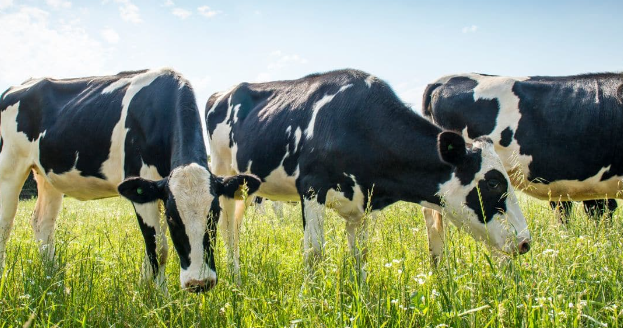
Bovines Unveiled: Exploring Shared Dietary Habits Across Species
Understanding the dietary habits of bovines—such as cows, bison, and buffalo—offers invaluable insights into their health, agricultural practices, and environmental impact. With all species belonging to the family Bovidae, their shared dietary characteristics not only aid in sustainable farming but also promote biodiversity. Let’s explore the common dietary patterns among these remarkable animals.
Shared Plant Preferences
Broadly speaking, bovines are herbivores, primarily feeding on grasses, leaves, and other plant materials. However, the specific plant preferences can vary significantly among species. For instance, cows often graze on cultivated alfalfa and clover, while bison thrive in the more nutrient-rich grasses found on the Great Plains. This shared love for plant material emphasizes the importance of understanding regional flora, which can lead to more effective land management and conservation strategies. Knowing what different bovine species prefer can help farmers create a better environment for their livestock, promoting health and productivity.
Ruminant Digestive System
All bovines share a unique digestive system that allows them to effectively process tough plant fibers. As ruminants, they have a four-chambered stomach consisting of the rumen, reticulum, omasum, and abomasum. This specialized system allows them to break down cellulose from plant materials through fermentation. The rumen acts as a fermentation chamber, housing bacteria and microbes that aid digestion, while the other chambers help in nutrient absorption. Understanding this digestive process can help farmers better manage the diets of their herds to enhance growth and production while minimizing waste.
Nutritional Requirements and Health
Ruminants require a balanced diet rich in fiber, protein, vitamins, and minerals to maintain optimal health. While the specific nutritional needs can vary depending on age, breed, and productivity, all bovines benefit from a well-rounded diet that supports their growth and reproductive health. Including forage, grains, and supplements can lead to improved body condition and longevity in livestock. Monitoring dietary intake and adjusting based on seasonal changes can also help prevent health issues, ensuring a thriving herd.
Conclusion
The dietary habits and needs of bovines are as diverse as the species themselves, providing key insights into their care and management. By understanding their shared preferences and nutritional requirements, farmers and enthusiasts alike can promote better agricultural practices and animal welfare. If you’re interested in diving deeper into the fascinating world of bovines, consider exploring local agricultural resources or engaging with farmer communities to learn more about sustainable practices.