
Nature’s Giants: Unraveling the Dietary Strategies of Large Herbivores
Understanding the dietary strategies of large herbivores not only fascinates animal lovers but also holds vital implications for conservation and ecosystem health. As these giants roam the earth, their feeding habits influence vegetation and the overall balance of their habitats. Let’s explore how different species adapt their diets to thrive in varied ecosystems.
Adaptations to Grazing and Browsing
Large herbivores like elephants and giraffes exhibit unique feeding strategies that suit their environments. Grazers, such as bison and zebras, primarily consume grasses and are generally adapted to eat a substantial volume of low-nutrient forage. Their flat teeth are perfect for grinding grass, allowing for efficient digestion. Browsers, on the other hand, prefer leaves, shoots, and fruits from trees, as seen in species like giraffes and deer. Their long necks and specialized teeth help them extract nutrient-rich foliage that is often out of reach for other animals. This differentiation in dietary preferences ensures that diverse plant communities thrive in various ecosystems.
Digestive Innovations in the Animal Kingdom
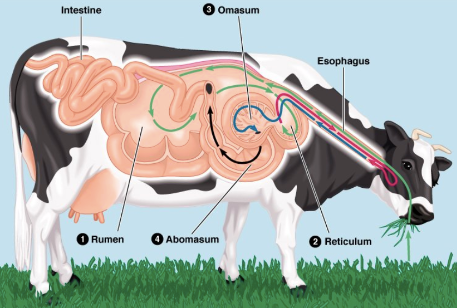
Large herbivores have evolved intricate digestive systems to maximize nutrient absorption from tough plant materials. For example, cows and other ruminants possess a complex stomach structure with four chambers that allow them to ferment food for extended periods. This fermentation breaks down fibrous plant cell walls, making nutrients more accessible. Interestingly, animals like elephants use their large gut bacteria diversity to process vast amounts of plant matter, breaking down cellulose effectively. These adaptations not only optimize nutrient intake but also play a pivotal role in nutrient cycling within their habitats.
Diversity in Feeding Strategies and Their Ecosystem Impact
The dietary habits of large herbivores have significant effects on their ecosystems. For instance, elephants are known as “ecosystem engineers” due to their tree-felling behavior that creates grasslands, benefiting other species. In contrast, giraffes’ selective feeding on acacia leaves influences tree growth patterns and diversity. With various herbivores occupying different niches, they collectively maintain the balance of flora and fauna in their environments. This diversity underscores the importance of preserving these majestic animals and the intricate web of interactions they sustain.
In conclusion, the dietary adaptations of large herbivores are not only fascinating but also crucial for ecosystem health. By understanding these strategies, we can appreciate the vital roles these animals play in nature. If you’re intrigued by the interconnectedness of species and their environments, why not dive deeper? Explore more about wildlife conservation and the fascinating lives of these magnificent creatures!