
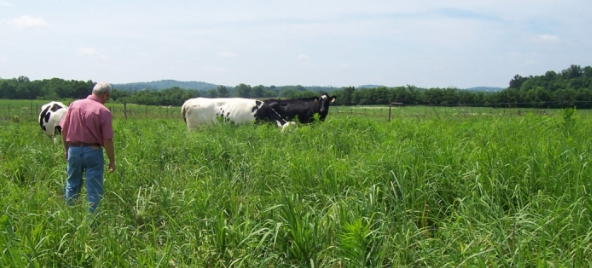
Nature’s Buffet: Exploring the Nutritional Treasures of Grassland Grazing for Cows
Grassland grazing plays a vital role in raising healthy cows and maintaining sustainable agricultural practices. Understanding what cows eat in these natural environments not only enhances our knowledge of their diets but also highlights the interconnectedness of ecosystems. Let’s dive into the fascinating cow food sources found in natural grasslands.
Nutrient-Rich Grasses
The backbone of any pasture is its grasses. In grasslands, cows primarily feed on a variety of grass species, including bluegrass, ryegrass, and fescue. These grasses provide essential nutrients such as carbohydrates, proteins, and fiber. The diversity of grasses throughout different seasons ensures that cows receive a balanced diet, promoting better health and milk production. Furthermore, nutrient-rich grasses help in reducing methane emissions, contributing to a more environmentally friendly approach to cattle farming.
Legumes: A Hidden Gem
Legumes, such as clover and alfalfa, are often found intermingling with grass in the fields. These plants are not only tasty for cows, but they also bring a wealth of benefits. Legumes have the unique ability to fix nitrogen in the soil, improving soil health and reducing the need for synthetic fertilizers. When cows munch on these protein-rich plants, they receive essential amino acids, which are vital for growth and lactation. Including legumes in their diet enhances overall grazing quality and supports sustainable farming practices.
Forbs: Nature’s Variety
In addition to grasses and legumes, forbs—herbaceous flowering plants—add variety to a cow’s diet. These plants, such as dandelions and chicory, are filled with vitamins and minerals, offering essential nutrients that grasses alone may not provide. Forbs can also improve digestion and provide health benefits, including anti-inflammatory properties. Grazing on a diverse range of food sources ensures cows enjoy a more balanced diet, which leads to healthy animals and high-quality products like milk and meat.
Conclusion
Understanding the nutritional treasures in grassland grazing is crucial for both animal welfare and sustainable agriculture. By learning about the diverse food sources available to cows, we can appreciate their natural diet and the important role they play in the ecosystem. If you’re interested in exploring more about sustainable grazing practices or want to learn how to improve cow nutrition, consider reaching out to local agricultural experts or visiting a nearby farm. Your connection with nature and farming will only deepen as you engage in this journey!