
Cow Feeding Habits Explained
Understanding cow feeding habits is crucial for farmers, livestock enthusiasts, and anyone interested in sustainable agriculture. Proper nutrition not only affects the health and productivity of cows but also impacts the quality of milk and meat produced. By exploring the feeding habits of cows, we can gain valuable insights into their dietary needs and how best to support them.
The Ruminant Digestive System
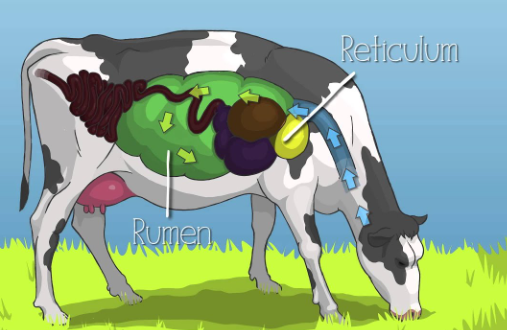
Cows are ruminants, meaning they have a unique digestive system that allows them to break down tough plant materials. Their stomachs have four compartments: the rumen, reticulum, omasum, and abomasum. This specialized system helps cows to ferment fibrous plant matter, primarily from grass. By regurgitating and re-chewing their food, they can efficiently extract nutrients, making grass an ideal primary food source. Understanding this process can help farmers optimize feeding strategies to ensure cows receive balanced nutrition.
Essential Nutrients for Optimal Health
Cows require a mix of carbohydrates, proteins, fats, vitamins, and minerals to thrive. While grass and hay provide a substantial portion of their dietary fiber, additional feed supplements may be needed for optimal health. In particular, grains, silage, and protein sources like soybean meal are often included to help meet energy and protein needs, especially for lactating dairy cows. Access to clean water is equally essential, as it aids digestion and overall well-being. Farmers must pay careful attention to their cows’ nutritional requirements and adjust rations accordingly based on age, weight, and production stage.
Feeding Practices for Improved Productivity
Effective feeding practices can lead to improved cow productivity and farm profitability. Farmers are encouraged to adopt a variety of feeding methods, including free-choice feeding, total mixed rations (TMR), and pasture grazing. Free-choice feeding allows cows to eat according to their needs, while TMR mixes all feed ingredients, ensuring a balanced diet in every bite. Pasture grazing promotes natural behaviors and is often the most economical choice, especially during the growing season. By monitoring feed intake and body condition, farmers can fine-tune their feeding strategies to maximize health and production.
In conclusion, understanding cow feeding habits is essential for anyone involved in livestock care. By focusing on the specific dietary needs of cows and implementing effective feeding strategies, you can support their health and productivity. If you’re interested in learning more about sustainable livestock practices, consider exploring further resources or reaching out to a local agricultural extension office. Every step towards better cow care is a step towards a healthier farm!