
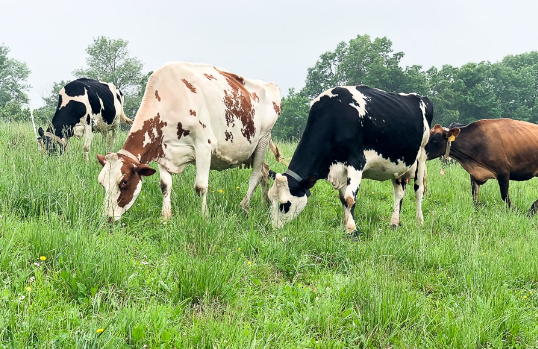
Cow Diet in Pasture Systems: What You Need to Know
Understanding cow diets in pasture systems is essential for both the health of the cattle and the quality of the milk or meat they produce. As consumers increasingly seek sustainable and ethical food sources, farmers are turning to pasture-based systems that can enhance animal welfare while also being environmentally friendly. In this article, we’ll explore the key aspects of cow diets in these systems, focusing on nutritional benefits, the importance of forage diversity, and practical management tips.
Nutritional Benefits of Pasture Grazing
Cows in pasture systems thrive on a diet primarily composed of grasses, legumes, and other forage plants. These natural foods offer essential nutrients, including vitamins, minerals, and antioxidants, which are crucial for cow health and productivity. Grazing allows cows to exhibit natural behaviors, reducing stress and promoting overall well-being. Healthier animals typically lead to higher quality meat and milk, providing benefits for consumers while supporting farm profitability. Moreover, pasture grazing can reduce the need for supplemental feed, lowering costs for farmers and decreasing the environmental footprint of livestock farming.
The Role of Forage Diversity
A diverse range of forages in pasture systems is vital for optimizing cow diets. Different plant species offer unique nutritional profiles, ensuring that cows receive a well-balanced diet. For instance, legumes like clover and alfalfa provide protein and improve soil fertility through nitrogen fixation, while diverse grasses can enhance fiber intake. This variety not only helps to meet the cows’ dietary needs but also supports biodiversity, promoting a healthier ecosystem. Additionally, rotating grazing areas allows for natural regeneration of the pasture, leading to improved forage quality over time.
Practical Management Tips for Pasture Feeding
Effective pasture management is crucial for maximizing the benefits of cow diets in pasture systems. Implementing rotational grazing methods can help maintain the health of the pasture by preventing overgrazing and promoting regrowth. Farmers should monitor pasture quality and adjust grazing patterns based on seasonal changes and forage availability. Providing access to clean water and minerals can also enhance cow health and productivity. Regular health checks will ensure that cows are receiving the nutrition they need and are thriving in their environment.
Conclusion
Understanding and managing cow diets in pasture systems is critically important for sustainable agriculture. By prioritizing nutritional benefits, embracing forage diversity, and implementing smart management practices, farmers can improve the health of their cattle while also supporting environmental stewardship. If you’re interested in learning more about this topic or exploring pasture-based farming options, consider reaching out to local agricultural extension services or joining a community of like-minded farmers. Every step counts towards creating a healthier, more sustainable food system!