
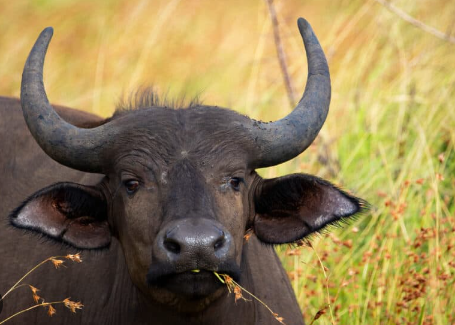
Title: Buffalo Feeding Habits in the Wild
Buffalo, often referred to as bison, are magnificent creatures that play a critical role in their ecosystems. Understanding their feeding habits not only highlights their importance in the wild but also offers insight into the environments they thrive in. This article explores the feeding behaviors of buffalo in their natural habitats.
Feeding Time: Grazing and Browsing
Buffalo are primarily grazers, feeding on a variety of grasses, sedges, and herbs found in open plains and prairies. They have a unique digestive system that allows them to efficiently process large amounts of fibrous plant material. In addition to grazing, they also engage in browsing, which involves eating shrubs and young leaves from trees when grass is scarce. Their feeding habits are influenced by seasonal changes and environmental conditions, prompting them to adapt their diet based on availability.
Social Structure and Feeding Patterns
Buffalo are social animals, often found in large herds that range from a few dozen to several hundred individuals. This social structure greatly impacts their feeding habits. Herd members typically feed together, which offers protection from predators and allows them to encourage one another to exploit rich feeding grounds. The social dynamics also lead to learned behaviors; younger buffalo observe older ones to identify the best grazing spots. Consequently, these herd formations enhance their foraging efficiency and food resource management.
Impact on Ecosystems
The feeding habits of buffalo have significant implications for their ecosystems. By grazing on grasses, they help maintain healthy grassland environments, promoting new growth and preventing overgrowth that can lead to habitat degradation. Additionally, their feeding behavior contributes to soil fertility as their waste enriches the ground, supporting a diverse range of other plant species. The presence of buffalo can even influence the distribution of other wildlife populations, creating a balanced ecosystem that thrives on their natural behaviors.
In conclusion, understanding the feeding habits of buffalo in the wild offers us valuable insights into their ecological roles and contributions. By appreciating these magnificent animals and their habits, we can better understand the balance of nature and the importance of wildlife conservation. If you’re interested in learning more about buffalo and their habitats, consider exploring local wildlife programs or visiting a nearby national park where these majestic animals roam.