
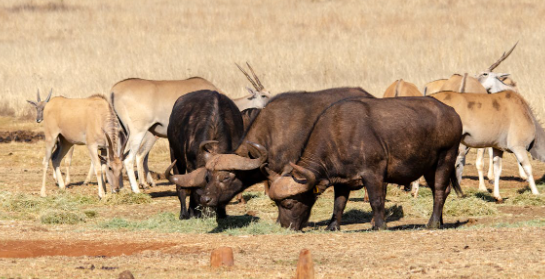
Grass Nibbles and Prairie Grazing: Unraveling Buffalo Feeding Habits in the Open Plains
Understanding the feeding habits of buffalo in the open plains is crucial for appreciating their role in the ecosystem and for effective conservation efforts. These majestic animals not only shape the landscape but also serve as a vital part of our natural heritage. Let’s take a closer look at their unique feeding habits and the impact they have on our grasslands.
Nutritional Needs of Buffalo
Buffalo require a diverse diet primarily composed of grasses, which provide them with the necessary nutrients to thrive. They are herbivores, and their grazing usually consists of different grass species depending on the season and availability. Throughout the year, buffalo will adapt their diets to include young shoots in spring and summer, while consuming coarse, mature grasses and other available vegetation in the fall and winter. This flexibility helps them maintain a balanced diet, ensuring they receive adequate protein, carbohydrates, and minerals.
Grazing Patterns and Social Behavior
Buffalo are not solitary grazers; they typically move in herds that can comprise anywhere from a few individuals to thousands. This social structure plays a significant role in their feeding habits. Herds often graze in a coordinated manner, which helps to manage the grasses and supports the growth of new shoots. By selectively grazing certain areas while rotating to others, buffalo help maintain the health of the grasslands. Moreover, their movement patterns create trails that benefit other species and facilitate nutrient cycling within the ecosystem.
Impact on the Grassland Ecosystem
The feeding habits of buffalo significantly influence the prairie ecosystem. As they graze, they help control grass height and density, promoting biodiversity. This grazing allows for the growth of various plant species, which in turn supports a wide range of animal life. Buffalo also contribute to soil health through their dung, which enriches the soil with nutrients and attracts insects, further fostering an environment supportive of various flora and fauna. By understanding these dynamics, we can better appreciate the importance of buffalo in maintaining the delicate balance of grassland ecosystems.
In conclusion, the feeding habits of buffalo in the open plains are not just fascinating but also vital to the health of our grasslands. Their grazing practices influence the diversity and productivity of the ecosystem, highlighting their role as a keystone species. If you’re interested in learning more about these impressive animals and their contributions to the environment, consider exploring local nature reserves or attending educational programs dedicated to wildlife conservation.