
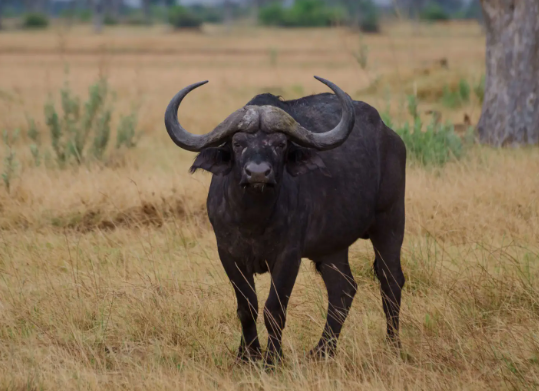
Understanding how the diet of buffaloes changes between dry and wet seasons is crucial for farmers and ranchers. Seasonal variations directly affect the availability of feed resources and the health of these animals. By optimizing their diet throughout the year, owners can ensure better growth, productivity, and overall well-being.
Nutritional Needs During the Dry Season
In the dry season, buffaloes face a significant reduction in forage quality and quantity. Grazing areas often dry up, leading to a scarcity of nutritious grass. Farmers need to supplement buffalo diets with concentrated feeds, such as grains, and introduce leguminous plants to ensure adequate protein intake. Additionally, providing minerals and vitamins can help combat deficiencies that often arise during this time. Ensuring proper hydration is also vital, as water sources may diminish, and buffaloes require regular access to clean water to support their health.
Optimal Diet for Wet Season
The wet season brings lush, green pastures that are abundant in nutrients, providing buffaloes with a diverse and rich diet. Grazing during this period helps buffaloes maintain a healthy weight and supports reproductive cycles. Farmers should focus on rotational grazing to maximize the benefits of the growth that occurs during wet months. It’s important to monitor the quality of the forage because, although plentiful, not all grasses are equally nutritious. Including high-quality fodder and ensuring that buffaloes have access to clean water will enhance their overall health and productivity.
Balancing Diets Across Seasons
Successfully managing a buffalo’s diet across both dry and wet seasons requires careful planning and flexibility. It’s essential to assess pasture conditions regularly and adjust feed strategies accordingly. During transitional periods, combining feed types from both seasons can help stabilize the buffalo’s nutrition. Farmers might also consider preserving nutritious forage during the wet season to use during the dry months, ensuring a steady and balanced intake year-round. Leveraging techniques such as silage or haymaking can mitigate food shortages and promote consistent growth and health in the herd.
Conclusion
Understanding the dietary needs of buffaloes throughout the dry and wet seasons can lead to more effective management practices. By adapting feeding strategies based on available resources, farmers can promote the health and productivity of their buffalo herds. For further insights and support on optimizing buffalo nutrition, consider connecting with agricultural extension services or local experts in livestock management.