
Bison vs. Cows: Understanding the Grazing Preferences of America’s Iconic Animals
The grazing habits of bison and cows play a vital role in shaping America’s grasslands and ecosystems. By exploring these two iconic animals, we can better appreciate their unique adaptations and the significance of their feeding behaviors. This knowledge not only informs farmers and ranchers but also enhances our understanding of wildlife conservation.
Natural Grazing Preferences
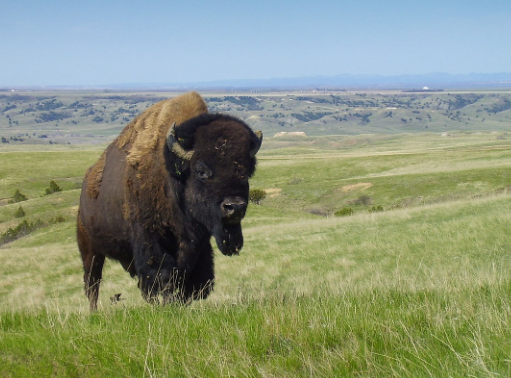
Bison and cows are both grazers, but their preferences and feeding behaviors differ significantly. Bison are adapted to thrive on the wild grasses of the Great Plains. They tend to graze on taller, more fibrous plants, which offer high fiber content that suits their digestive systems. Their unique, wide mouths allow them to efficiently graze by pulling clumps of grass rather than nibbling. On the other hand, cows prefer shorter, more succulent grasses. They are selective feeders, often choosing softer plants with higher nutritional value. This difference in grazing techniques has important implications for land management, as each species impacts the landscape in distinct ways.
Impact on Ecosystems
The grazing habits of bison and cows contribute differently to the health of grassland ecosystems. Bison, with their migratory patterns, help maintain a diverse range of plant species by preventing grass from becoming too tall and thick. Their heavy hooves create disturbances in the soil, allowing for new plant growth and fostering a variety of habitats for other wildlife. This natural behavior supports biodiversity and promotes healthier ecosystems. In contrast, cattle farming practices, especially when overgrazing occurs, can lead to soil degradation, reduced plant diversity, and increased erosion. Understanding these impacts highlights the importance of sustainable grazing practices in agriculture and conservation efforts.
Adaptations to Grazing
Both bison and cows have evolved to adapt to their specific grazing environments. Bison possess a unique digestive system that includes a four-chambered stomach, optimized for breaking down tough, fibrous grasses. Their robust frame and large size allow them to withstand harsh climates and efficiently cover vast distances in search of food. Cows, however, are more versatile grazers. They have been selectively bred for various traits, including milk production and growth rates, which influences their dietary needs. With different breeds tailored for diverse environments, understanding these adaptations can help farmers select the right livestock for their land.
Conclusion
The contrasting grazing habits of bison and cows not only highlight their unique adaptations but also underscore the importance of mindful land management. By understanding how these iconic animals interact with their environment, we can work toward sustainable farming practices that benefit both agriculture and biodiversity. To learn more about sustainable grazing and ecosystem impact, explore local conservation efforts or connect with farming communities. Every small step counts towards a healthier planet!