
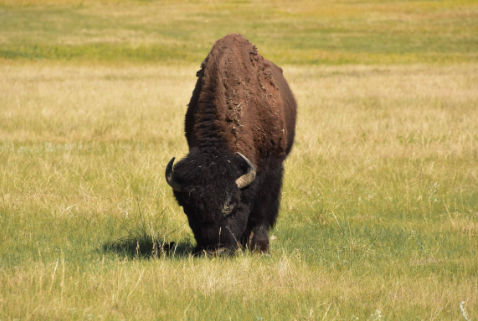
Bison Grazing Behavior: Understanding the Giants of the Plains
Bison are more than just iconic symbols of the American West; they play a critical role in their ecosystems. Understanding their grazing behavior is essential for wildlife conservation, agriculture, and ecology. This blog post delves into their habits, preferences, and the impact of their grazing on the environment.
The Unique Grazing Style of Bison
Bison are primarily grazers, feeding mostly on grasses, sedges, and herbs. They have a unique feeding style that involves a methodical approach to foraging. Unlike some other herbivores that nibble selectively, bison use their large heads and strong necks to rip up grass and forage in clumps. This not only allows them to consume large quantities but also promotes healthy grassland ecosystems by encouraging new growth. By grazing on a variety of plants, bison help maintain biodiversity, preventing a single species from dominating the landscape.
Social Structure and Grazing Patterns
Bison are social animals that live in herds, and their grazing behavior is closely tied to their social structure. Herds typically consist of females and their young, while adult males often roam independently or join female groups during the breeding season. Grazing is often a communal activity, and the presence of other bison can affect individual feeding behavior. When in a large group, bison may graze more cautiously, ensuring that everyone gets enough food. Additionally, the movement of herds from one grazing area to another helps distribute the grazing pressure evenly across the landscape, which is vital for the health of grasslands.
Seasonal Grazing Preferences
Bison exhibit different grazing behaviors based on seasonal variations. In the spring and summer, they often prefer younger, more nutritious grass, which aids in milk production for females and growth for young calves. During the cooler months, bison may turn to more fibrous and less nutritious vegetation. This seasonal adaptability is crucial for their survival, especially in harsh winters when food sources are scarce. By understanding these seasonal patterns, wildlife managers can better protect their habitats and ensure the sustainability of bison populations.
Conclusion
Bison grazing behavior is not only fascinating but also essential to understanding the health of ecosystems where they roam. By respecting their natural habits and promoting proper land management practices, we can ensure that these majestic creatures continue to thrive for generations to come. Whether you’re a wildlife enthusiast, a conservationist, or simply curious about nature, there’s always more to learn about the incredible world of bison. Explore further and join the effort to protect these magnificent animals and their habitats!