
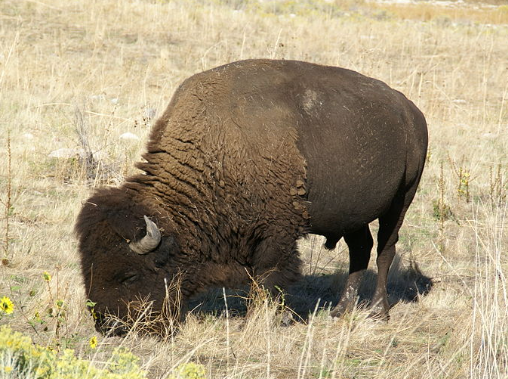
Bison Feeding Habits Explained
Understanding the feeding habits of bison is essential for wildlife enthusiasts, conservationists, and anyone interested in the health of these magnificent animals. As one of the largest herbivores in North America, bison play a crucial role in their ecosystem, and their feeding behaviors reflect a fascinating adaptation to their environment. Let’s dive into the details of what bison eat and how they thrive on the great plains.
Bison Diet: A Herbivore’s Menu
Bison are primarily herbivores, which means their diet consists mainly of plant material. They graze on a variety of grasses, which make up about 90% of their diet. During the warmer months, bison feast on different types of nutritious grasses, such as blue grama and wheatgrass. In the colder months, when grass becomes scarce, they rely on dried grasses, herbs, and even shrubs for sustenance. Bison have a unique ability to switch their diet based on seasonal availability, allowing them to adapt to changing conditions and maximize their nutritional intake.
Grazing Behavior: Social Feeders
Bison are social animals that often feed in herds. This social structure not only helps them protect themselves from predators but also enhances their grazing efficiency. When bison feed together, they can cover large areas and effectively identify the best grazing spots. Additionally, their grazing patterns play a significant role in maintaining grassland ecosystems. As bison graze, they help to aerate the soil and promote the growth of diverse plant species, which benefits other wildlife. Their unique feeding habits contribute to the health of their habitat, showcasing the interconnectedness of species within an ecosystem.
Adaptations for Survival: Digestive Marvels
One of the remarkable features of bison is their digestive system, which has adapted to break down tough plant materials effectively. Bison are ruminants, meaning they have a specialized stomach with multiple chambers. This allows them to ferment and digest their fibrous diet efficiently. Their ability to extract nutrients from grasses that many other animals cannot digest is key to their survival, enabling them to thrive in the vast grasslands they call home. Furthermore, bison have large, flat teeth that allow them to grind down tough plant material, further enhancing their ability to obtain nutrition from their surroundings.
Conclusion: The Importance of Understanding Bison
In conclusion, understanding bison feeding habits is essential not only for appreciating these incredible animals but also for maintaining the balance of the ecosystems in which they live. Their unique dietary choices and social feeding behaviors play a vital role in the health of grasslands. By learning more about bison and their habits, we can contribute to their conservation and support the thriving ecosystems they help sustain. If you’re intrigued by the world of bison, consider exploring your local wildlife reserves or engaging with conservation organizations to discover ways to support these majestic creatures further.