
Bison Diet in the Wild
Bison are not only iconic symbols of the American West but also fascinating creatures with unique dietary habits. Understanding what bison eat in the wild provides insight into their role in the ecosystem and highlights the importance of preserving their habitats. This article explores the various components of a bison’s diet and their feeding behaviors in the wild.
Nutritional Needs of Bison
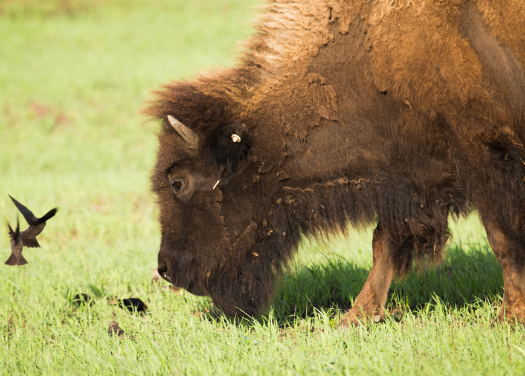
Bison are herbivores and primarily graze on grasses, which make up the largest portion of their diet. They are particularly fond of nutrient-rich grasses found in prairies and plains. In addition to grasses, bison also consume sedges, forbs, and shrubs, especially during the late spring and summer when these plants are most abundant. Their diet is not only important for their health but also for maintaining the health of grasslands by promoting new growth through their grazing habits.
Feeding Behaviors
Bison have a unique way of feeding that involves both grazing and browsing. Typically, they graze with their powerful tongues, which can strip leaves and stems from plants with ease. They are known to spend a significant amount of time each day foraging for food—up to 10-12 hours! Interestingly, bison often form small groups while feeding, which helps them to be more vigilant against predators. Their social structure can also influence their foraging strategies, especially when it comes to finding the best grazing spots.
Seasonal Variations in Diet
The diet of bison varies considerably with the seasons. During the summer months, they feast on the lush grasses that are abundant after spring rainfall. However, as winter approaches and food becomes scarce, bison adapt their diets to include more woody plants and browse. Their ability to switch dietary preferences is crucial for their survival in the wild. Additionally, in harsh winter conditions, bison will also dig through the snow to access buried grasses, showcasing their resilience and adaptability.
In conclusion, the diet of bison in the wild is a complex interplay of nutritional needs, feeding behaviors, and seasonal changes. Learning about these aspects not only sheds light on the bison’s life but also emphasizes the importance of conservation efforts to protect their habitats. If you’re interested in wildlife and the delicate balance of ecosystems, consider exploring more about bison and their role in preserving grasslands.