
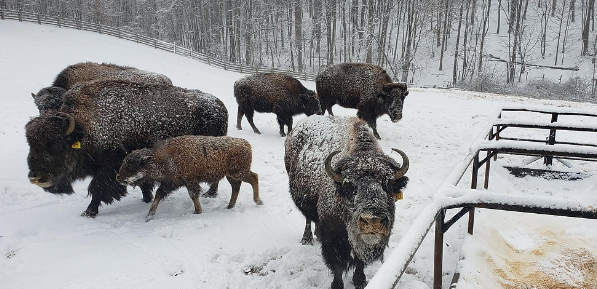
Winter Warriors: How Bison Adapt Their Diets in Cold Climates
As the temperature drops and snow blankets the landscape, many animals struggle to find food in the frigid conditions. Bison, however, are remarkable examples of resilience and adaptation. Understanding how these majestic creatures adjust their diets during winter not only reveals their survival strategies but also highlights their role in maintaining ecosystems in cold climates.
Dietary Adjustments in Harsh Conditions
When winter arrives, bison face the challenge of foraging for food amidst snow-covered terrain. Their diet shifts primarily to grasses, even if those grasses are dormant and frozen. These large herbivores are equipped with powerful, muscular tongues that allow them to dig through deep snow to reach the grass below. Bison also rely on their strong hooves to break through ice and crusted snow, showcasing their physical adaptations. While harsh winters can limit their options, bison are expert foragers, seeking out the most nutritious plants available during this season.
Profiting from Nutrient-Rich Forage
Bison’s ability to thrive in cold climates is partly due to their selective eating habits. They are known to consume a variety of winter forages, including shrubs and woody plants, which are packed with vital nutrients. By targeting these nutrient-rich foods, bison can maintain their body condition and energy levels, critical for enduring the harshness of winter. Interestingly, their grazing habits often benefit the environment; as they feed, they help promote the growth of new grasses by preventing overgrowth and allowing sunlight to reach the soil.
The Role of Grazing in Ecosystem Health
Bison are not just survivors of the cold; they play a key role in shaping their ecosystems. Their grazing patterns help maintain plant diversity and encourage the health of grasslands. In winter, by uprooting and snacking on different plant species, bison contribute to soil health and promote new growth for the following spring. This grazing behavior not only supports their diet but also supports a variety of other wildlife. Through their interactions with the landscape, bison serve as vital ecosystem engineers, showcasing the interconnectedness of life in cold climates.
Bison in Winter: A Symbol of Resilience
As winter warriors, bison teach us about adaptation and the importance of maintaining ecological balance. By understanding their dietary habits during the colder months, we can appreciate not only their resilience but also their critical role in the environment. Observing these magnificent animals in their natural habitat can be a fascinating and educational experience, reminding us of the delicate balance in nature’s cycles.
If you’re intrigued by the adaptations of wildlife in winter or eager to learn more about bison and their ecological importance, consider visiting a local wildlife reserve or reading up on conservation efforts. Each step we take toward understanding these incredible animals plays a part in ensuring their survival for future generations.