
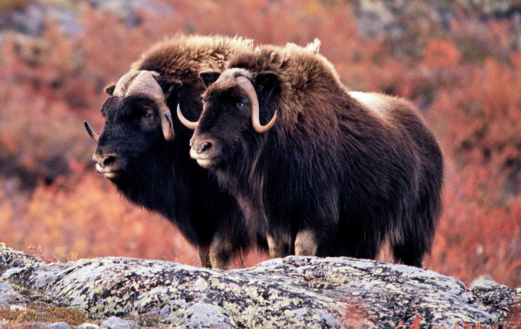
Arctic Buffet: The Role of Native Plants in Musk Ox Nutrition
Arctic ecosystems are fascinating, not just for their harsh climates but for the unique flora that thrives in these conditions. For musk oxen, a resilient species native to the Arctic, native plants are a crucial part of their diet. Understanding these plants and their nutritional value helps us to appreciate the delicate balance of Arctic ecosystems.
The Musk Ox Diet: A Look at the Basics
Musk oxen are herbivores, primarily feeding on the tundra’s native flora. During the summer months, they indulge in a variety of grasses and sedges, which are rich in nutrients necessary for their health. As winter approaches, feeding becomes more challenging. The animals turn to woody plants, lichens, and mosses, which are often less nutrient-dense but vital for survival. These adaptations not only sustain musk oxen but also play a role in maintaining the balance of the Arctic ecosystem.
Key Native Plants in Their Diet
Several native plants are essential to musk ox nutrition. For example, Arctic cotton grass is a favorite, offering seasonal nutrition and helping regulate their digestive systems. Additionally, willow leaves and stems serve as a significant food source during the long winters, providing energy for the animals’ immense body size. While lichens, often overlooked, are another crucial component of their diet, helping musk oxen endure the cold, lean months by supplying necessary carbohydrates.
Seasonal Variations and Nutrition
The musk ox diet varies considerably with the changing seasons. In the lush summer months, the richness of flowering plants and tender shoots enhances their caloric intake, preparing them for the harsh winters ahead. During colder months, musk oxen rely more heavily on less palatable but necessary food sources. This seasonal adaptation is vital for their survival as these dietary changes align with the Arctic’s climatic rhythms. Understanding these shifts helps conservation efforts focused on protecting both musk oxen and their native habitats.
Conclusion
Musk oxen are more than just iconic Arctic animals; they are an integral part of a complex ecosystem that thrives in extreme conditions. By exploring their reliance on native plants for nutrition, we can better appreciate the delicate balance of life in the Arctic. If you’re intrigued by these fascinating creatures and their relationship with their environment, consider learning more about Arctic ecosystems and the essential role of native flora. Embrace the opportunity to deepen your understanding of one of nature’s most extraordinary habitats.