
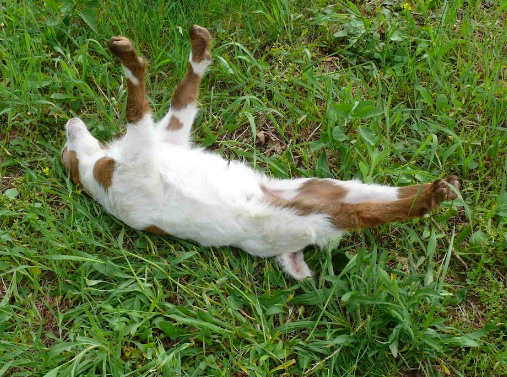
Goats are known for their quirky behaviors, and one of the more puzzling actions they exhibit is freezing when they are scared. This intriguing response is more than just a funny trait; it has deep-rooted evolutionary and biological significance. Understanding why goats freeze can help goat owners empathize with their pets and manage their surroundings more effectively.
1. The Evolutionary Background of Freezing Behavior
Freezing is a common instinctual response observed in many animals, including goats. This behavior can be traced back to evolutionary survival mechanisms. When faced with a potential threat, freezing helps an animal avoid detection. For goats, who are prey animals, this is a critical survival strategy that decreases their chances of being targeted by predators.
In evolutionary terms, it’s similar to the “fight or flight” response; however, freezing serves a different purpose. By remaining still, goats can blend into their surroundings, making it harder for predators to spot them. Even domesticated goats retain this instinct, and recognizing it can lead to better care in their environment.
-
- Understand that freezing is a natural response.
-
- Recognize that this behavior is linked to survival instincts.
-
- Observe how your goats react to new stimuli.
-
- Provide familiar surroundings to reduce fear responses.
2. The Biological Mechanism Behind Freezing
The freezing response in goats is governed by their nervous system, particularly the autonomic nervous system. When frightened, adrenaline is released, which can trigger various physiological reactions. Initially, there may be a surge of energy, but this can quickly shift to a state of immobility, as the body assesses the threat level.
This physiological chain reaction primarily stems from the goat’s limbic system, which processes emotions. When feeling threatened, the brain receives signals to either confront or escape from danger, with freezing being an intermediary response. It’s fascinating how such complex systems can result in simple actions like standing still, emphasizing the sophisticated nature of animal behavior.
-
- Monitor your goats’ reactions to different environments.
-
- Ensure they have safe spaces where they feel secure.
-
- Keep stressors to a minimum in their surroundings.
-
- Be mindful of new noises or movements that could startle them.
3. Handling and Training Goats to Reduce Fear Responses
Owners play a vital role in helping goats overcome their instinctual freezing behavior. Training goats with positive reinforcement can help them build confidence in their surroundings and reduce their fear response. Start by introducing them to minor stressors in a controlled environment, allowing them to acclimate gradually.
Engaging goats with gentle handling and familiarization can help ease their anxiety. It’s important to remain calm and patient, as goats can pick up on human emotions. Using treats and praise can motivate them to confront their fears, turning a potentially scary situation into a positive experience.
-
- Introduce new experiences gradually.
-
- Use positive reinforcement like snacks or praise.
-
- Stay calm and composed to avoid transmitting your anxiety.
-
- Spend time with your goats daily to build trust.
4. The Role of Environment in Goat Behavior
The environment where goats live can significantly affect their responses to fear. Goats are naturally curious creatures, but if their environment is filled with constant stressors—like loud noises or aggressive animals—they are more likely to exhibit freezing behavior. A well-structured setting promotes safety and encourages goats to explore rather than retreat.
Creating an enriching environment involves adding spaces for shelter, diverse terrain for climbing, and social interactions with other goats. When goats feel secure, they are less likely to freeze, which can lead to a happier, healthier life. Observing your goats in different settings can provide valuable insights into how they perceive their surroundings.
-
- Create a predictable daily routine to reduce anxiety.
-
- Ensure they have plenty of space to roam and explore.
-
- Limit exposure to loud or unexpected noises.
-
- Provide interactive toys or structures to keep them engaged.
5. Conclusion: Embracing Goat Behavior for Better Care
Understanding why goats freeze when scared allows for improved interactions and care strategies that cater to their unique behaviors. By fostering an environment that minimizes fear and encourages confidence, goat owners can create a more harmonious living space. So take the next step to understand your goats better; observe their reactions, and consider consulting a professional if you face challenges in managing their behavior.