
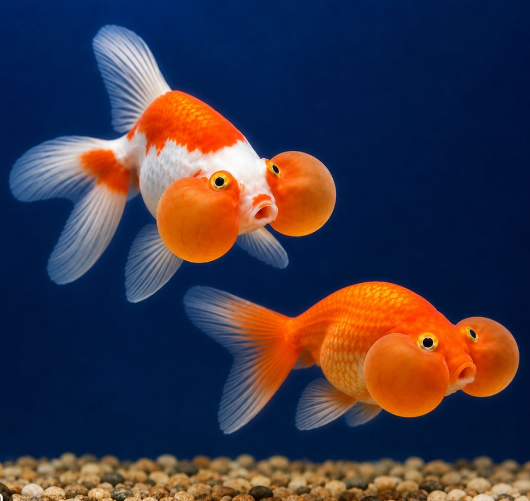
Goldfish are one of the most popular aquarium pets, known for their bright colors and playful behavior. One of the most captivating activities they engage in is blowing bubbles, which can leave many owners curious about the reason behind this behavior.
1. Understanding Goldfish Behavior
Goldfish blowing bubbles is often a natural part of their behavior. It is typically related to their respiratory function and gill movement. When they take in air, they regulate their buoyancy, helping them swim comfortably at various depths. In doing so, they may produce bubbles that surface, creating a mesmerizing display in your aquarium.
Additionally, goldfish use bubbles as part of their mating rituals. During spawning, male goldfish will chase females, and this bubble-blowing can serve as an indicator of readiness to breed. Both behaviors highlight the importance of bubbles as a form of communication among goldfish.
-
- Observe your goldfish to see if bubble behavior is frequent or sporadic.
-
- Monitor their water quality, as poor conditions can influence breathing patterns.
-
- Keep an eye out for breeding behaviors, especially during spring and summer.
-
- Ensure your tank is well-aerated to help your goldfish breathe comfortably.
2. The Role of Water Quality
Water quality plays a significant role in your goldfish’s health and behavior, including bubble-blowing. Poor water conditions can lead to stress, making goldfish exhibit unusual behaviors. For example, high ammonia levels can affect their respiratory health, causing them to blow bubbles more frequently as they try to compensate for oxygen deficiency.
Regular water changes and monitoring parameters like pH, ammonia, nitrites, and nitrates will ensure a healthy environment for your goldfish. Keeping the tank clean and adequately filtered will help maintain stable water quality, which is crucial for their overall well-being.
-
- Test your water weekly for ammonia and nitrate levels.
-
- Perform partial water changes regularly, about 10-20% weekly.
-
- Use a quality filter suitable for your tank size.
-
- Introduce live plants to help maintain water quality naturally.
3. Diet and Its Impact on Bubble Behavior
The diet of your goldfish can also impact how frequently they blow bubbles. A poor or imbalanced diet can lead to digestive issues that may manifest in bubble production. Overfeeding can cause bloating, which might make your goldfish gulp for air while producing bubbles. A balanced diet consisting of high-quality fish flakes, pellets, and the occasional treat of live or frozen food is essential.
Offering a varied diet not only keeps your goldfish engaged but also promotes better health and normalizes their bubble-blowing behavior. Consider rotating their food and providing both sinking and floating options to see what your goldfish prefers.
-
- Feed your goldfish small amounts 2-3 times a day.
-
- Include a mix of flake, pellet, and live food in their diet.
-
- Avoid overfeeding; remove uneaten food after a few minutes.
-
- Offer a treat like blanched vegetables occasionally for variety.
4. Temperature and Environmental Factors
The temperature of the water in which your goldfish reside can significantly influence their behavior, including bubble production. Goldfish thrive in temperatures between 65°F and 75°F (18°C to 24°C). If the water is too cold or too warm, your goldfish may become stressed, leading to increased bubble-blowing as they try to cope with discomfort.
To maintain an optimal environment, invest in a good aquarium heater if you live in a cooler climate, and consider a thermometer to keep track of the temperature regularly. Sudden temperature changes can also shock your goldfish, so aim for gradual adjustments whenever possible.
-
- Use a reliable aquarium thermometer to monitor water temperature.
-
- Avoid sudden temperature changes; acclimate with gradual adjustments.
-
- Ensure your heater is suitable for your tank size.
-
- Regularly check heater functionality to promote a stable environment.
5. Regular Monitoring and Maintenance
Regularly monitoring your goldfish’s behavior is essential to determine if bubble-blowing is normal or if it indicates stress or health issues. Take note of how often this behavior occurs and whether it coincides with other signs of distress, such as lethargy or loss of appetite. This observation will empower you to take timely action should you identify potential problems.
Incorporating a routine for tank maintenance—like cleanings, water quality checks, and regular feeding schedules—will help maintain a balanced environment. Keeping a journal of your goldfish’s behavior can also assist in identifying patterns and unusual activities, ensuring that your finned friend remains healthy and happy.
-
- Keep a journal of your goldfish’s behavior and health status.
-
- Check for signs of stress or disease regularly.
-
- Follow a consistent maintenance schedule for water changes.
-
- Be proactive in addressing any water quality issues.
In conclusion, understanding why goldfish blow bubbles is essential for every aquarium owner. By ensuring optimal water quality, maintaining a balanced diet, and monitoring environmental factors, you can foster a thriving environment for your aquatic friends. If you notice any unusual behavior beyond bubble-blowing, consider consulting a professional aquarist for further advice!