
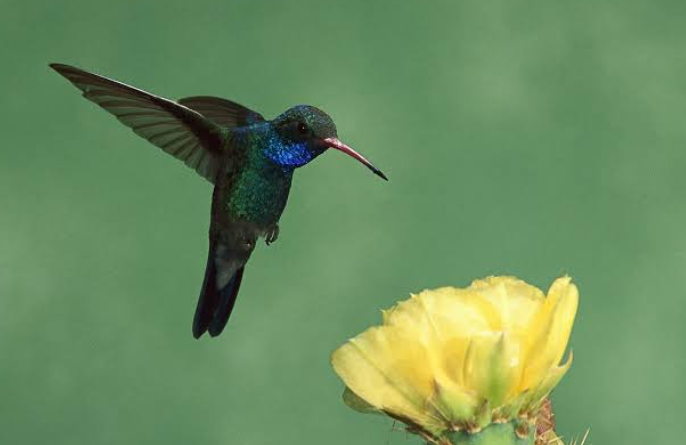
Hummingbirds are one of nature’s most fascinating creatures, renowned for their incredible ability to hover in mid-air. This unique capacity allows them to feed on nectar from flowers and catch small insects, making them remarkable pollinators. But why do these tiny birds hover, and how do they manage this extraordinary feat?
1. Unique Wing Structure and Flight Mechanics
One of the primary reasons hummingbirds can hover is their unique wing structure. Unlike most birds, hummingbirds have the ability to rotate their wings in a full circle. This allows them to generate lift both on the upstroke and downstroke of their wingbeats. Typical wingbeats for these birds can range from 50 to 80 flaps per second, depending on the species, allowing them to remain stationary in the air.
The mechanics of hovering also involve complex muscle coordination. Hummingbirds possess strong pectoral muscles that power their wings, which take up a significant portion of their body weight. These specialized muscles enable them to maintain their position in the air, regardless of wind conditions or external disturbances. This is crucial for accessing nectar-rich flowers that might otherwise be unreachable.
-
- Observe different hummingbird species and their wing movements.
-
- Understand the role of pectoral muscles in flight mechanics.
-
- Learn about the physical adaptations that facilitate hovering.
-
- Study how hovering helps in feeding and pollination.
2. Energy Requirements and Feeding Strategies
Hovering requires an immense amount of energy, which is why hummingbirds have evolved to feed on nectar. They have incredibly fast metabolism rates, requiring them to consume double their body weight in nectar each day. The high-sugar content of nectar provides the necessary energy for their rapid wingbeats and hovering capabilities. Additionally, they supplement their diet with insects to obtain proteins and nutrients essential for muscle function.
In a single day, a hummingbird can visit hundreds of flowers to fulfill its energy needs. Their keen sense of sight helps them identify vibrant, nectar-rich flowers, while their long bills and extendable tongues allow them to extract nectar effectively. This foraging behavior not only aids their survival but also plays a vital role in pollinating plants, ensuring the ecosystem’s health.
-
- Provide hummingbirds with a nectar feeder to support their energy intake.
-
- Plant native flowers to create a hummingbird-friendly garden.
-
- Monitor sugar-to-water ratios in nectar (1 part sugar to 4 parts water).
-
- Regularly clean feeders to prevent mold and bacterial growth.
3. Behavioral Adaptations for Hovering and Survival
Hovering also plays a crucial role in the behavioral adaptations of hummingbirds. Their ability to remain stationary allows them to observe their surroundings and avoid potential predators. When they hover, they can scan for threats without expending unnecessary energy flying in circles. This vigilance is essential for their survival, particularly in the wild where larger predatory birds may pose a danger.
Furthermore, hovering facilitates their mating behaviors. During courtship displays, male hummingbirds will often hover in front of females to showcase their agility and strength. This display of energy is attractive to potential mates, as it highlights their fitness and ability to gather resources effectively. This not only aids in reproduction but also boosts genetic diversity within their populations.
-
- Encourage natural environments that promote safe hovering space.
-
- Understand the relationship between feeding and mating behaviors.
-
- Observe how hummingbirds interact with their environment.
-
- Educate others about the importance of these fascinating behaviors.
The ability of hummingbirds to hover is a complex interplay of their unique anatomical features, energy needs, and behavioral strategies. Their hovering not only supports their survival but significantly influences the ecosystems they inhabit. Understanding these aspects can deepen our appreciation for these remarkable birds and help us create supportive environments for them.
In conclusion, hummingbirds are extraordinary creatures whose hovering ability is integral to their feeding and survival. By learning more about their needs and behaviors, you can contribute to their conservation and enjoy watching these fascinating birds in your backyard. Start creating a hummingbird-friendly environment today!