
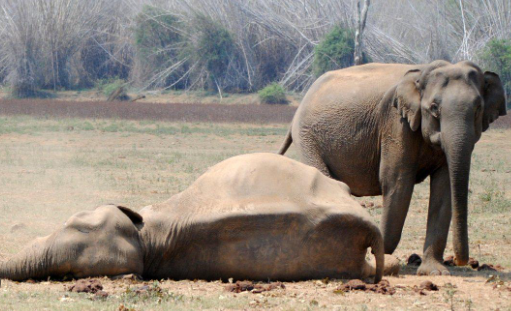
Elephants are remarkable creatures known not just for their size and intelligence, but also for their complex social structures and emotional depth. One of the most touching aspects of elephant behavior is their response to death. This blog post delves into the reasons behind why elephants mourn their dead, exploring their emotional bonds, behaviors during mourning, and the lessons we can learn from them.
1. The Emotional Bonds of Elephants
Elephants live in tightly-knit family groups, typically led by a matriarch. These bonds are not just practical; they are emotional as well. Elephants are known to exhibit behaviors that suggest they have deep feelings for one another. They often greet each other with long trunk touches, which may be a sign of affection and recognition. This emotional connection enables them to experience profound grief when a member of their family passes away.
In various studies, researchers have observed that elephants demonstrate signs of mourning when they encounter the remains of deceased elephants. They may linger around the body, touching it with their trunks, and even covering it with earth or vegetation. This behavior indicates that they not only recognize the loss but also pay respects in a way that is culturally rich and meaningful for them.
-
- Observe the family dynamics in elephant herds; see how they interact.
-
- Consider how social structures influence emotional responses in other animals.
-
- Watch documentaries on elephants to witness these behaviors first-hand.
-
- Understand the importance of matriarchs in guiding emotional bonds.
2. Mourning Rituals and Behaviors
When an elephant dies, particularly within a family unit, the surviving elephants engage in what can only be described as mourning rituals. These rituals often involve the entire herd, where they may bow their heads or stand silently in a cluster. Researchers have recorded instances where elephants revisit the bones or carcass of a deceased companion days or months after the death, displaying what appears to be a solemn acknowledgment of their loss.
Behavioral signs of mourning can also extend to changes in the social dynamics of the herd. After the loss of a key individual, especially the matriarch, elephants may show signs of stress, decreased activity levels, and even changes in vocalization patterns. These changes highlight how deeply intertwined their lives are with one another.
-
- Recognize mourning behaviors in elephants during wildlife watching.
-
- Support conservation efforts focused on preserving elephant habitats.
-
- Participate in educational programs that raise awareness about elephant intelligence.
-
- Advocate for policies that protect elephant herds from poaching and habitat loss.
3. Lessons Learned from Elephants’ Grief
The way elephants handle their grief offers profound insights into empathy and emotional intelligence. Their mourning processes remind us of the importance of acknowledging our own feelings when we face loss. Observing how these magnificent creatures cope with their emotions can provide us with inspiration on how to foster deeper connections with those we love.
Additionally, these behaviors can serve as a powerful reminder of the interconnectedness of life. The emotional reactions of elephants may urge us to rethink how we relate to other beings within our environment and to understand the broader implications of loss—not just among humans but across all species. This understanding can help us develop more profound compassion towards our surroundings.
-
- Practice empathy by learning how different species experience loss.
-
- Consider volunteering for wildlife conservation to support emotional well-being in elephants.
-
- Reflect on your own experiences of loss and the lessons learned.
-
- Encourage conversations about grief and emotional expression in your community.
Elephants are not just the largest land animals on Earth; they are also among its most emotionally complex. By exploring their mourning practices, we observe the depth of their connections and the richness of their social lives. This understanding encourages us to foster our own emotional intelligence and connection with others, both human and animal. As we appreciate the amazing lives of elephants, let’s also take a step toward making our world a kinder, more connected place.