
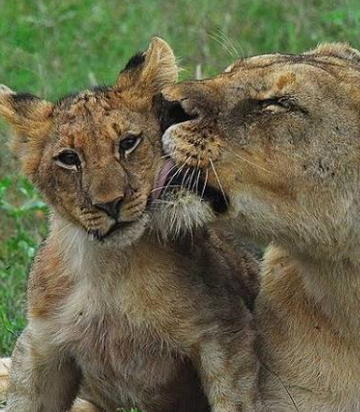
Lions are often hailed as the kings of the jungle, showcasing impressive social behaviors that reveal much about their relationships. One of the most endearing and curious behaviors they exhibit is head rubbing. But what’s the significance of this affectionately observed action?
1. Establishing Social Bonds
Lions are social animals, living in groups known as prides. Head rubbing, or “nuzzling,” serves as a key behavior in establishing and reinforcing strong social bonds among pride members. When lions rub their heads against each other, they exchange scents that carry important social information, helping them recognize kin and enhancing their collective cohesion.
This behavior is not just casual play; it holds significant importance for the pride’s dynamics. For instance, a newly introduced lion may rub heads with existing members to signal acceptance and reduce tension. This is a vital step in integrating into the pride, ensuring that social relationships remain strong and that there is a general sense of harmony within the group.
-
- Observe interactions: Notice how often lions rub heads during grooming sessions or after a hunt.
-
- Monitor newcomer behavior: Pay attention to how new lions engage in head rubbing with pride members.
-
- Identify patterns: Look for specific times when this behavior is common, such as after feeding.
-
- Consider age dynamics: Younger lions may engage more in nuzzling than older ones, showcasing their social learning.
2. Communication and Scent Marking
Another significant aspect of head rubbing among lions is its role in communication through scent marking. Lions have scent glands located on their faces, and rubbing their heads against another lion transfers scents, effectively marking each other. This sharing of scent is vital for maintaining the social structure and territorial boundaries of the pride.
The act of head rubbing also conveys information such as sexual readiness, individual health status, and even hierarchical standing within the pride. For example, a dominant male might rub heads with females to confirm his status and reinforce his leadership, ensuring everyone is aware of their place within the social hierarchy.
-
- Track movements: Look for head rubbing in different contexts, especially during introductions or when tensions rise.
-
- Watch for changes: Note how head rubbing may decline if changes in pride leadership occur.
-
- Use scent to discern: Smell differences and reactions to various scents during head rubbing.
-
- Document responses: Observe how other lions react to head rubbing—do they lean in or pull away?
3. Stress Relief and Comfort
Head rubbing also serves as a method of stress relief among lions. Just like many animals, lions can experience stress from environmental pressures, competition for food, or conflicts within the pride. When they engage in this affectionate behavior, it helps to alleviate tensions and promotes relaxation.
During times of stress, a lion might seek comfort through head rubbing with familiar pride members. This not only reassures the other lion but also strengthens their bond and creates a sense of security within the group. In a chaotic environment, these small moments of affection are vital for reducing anxiety and enhancing emotional stability.
-
- Identify stressors: Pay attention to what causes potential stress in lions (e.g., drought or food scarcity).
-
- Encourage interactions: Observe how head rubbing increases in high-stress situations.
-
- Foster familiarity: Promote bonding opportunities among pride members to decrease anxiety.
-
- Look for signs: Be aware of other comfort behaviors, such as grooming or lying close together.
4. Strengthening Parental Bonds
Mother lions often use head rubbing with their cubs to teach them essential skills and social behaviors. This affectionate behavior not only serves to nurture the cubs but also facilitates their learning process as they grow. By rubbing heads with their young, mothers convey crucial social information, helping the cubs navigate their social landscape effectively.
This interaction is essential, especially in the early stages of a cub’s life when they are developing their social skills and understanding the dynamics of pride life. The more a mother lion engages in this nurturing behavior, the better equipped her cubs will be to thrive within the pride and ultimately assert their own roles as they mature.
-
- Observe cub interactions: Look for patterns in how mothers rub heads with their cubs.
-
- Record development: Keep notes on how cubs respond and adapt over time to their environment.
-
- Acknowledge milestones: Recognize when cubs start imitating head rubbing with fellow pride members.
-
- Understand bonding processes: Track how head rubbing impacts social learning in cubs.
Understanding the reasons behind head rubbing in lions is essential to appreciate their social lives and emotional connections. These affectionate interactions highlight the complexity of their social structures and the importance of bonds within the pride. Whether you’re observing these magnificent creatures in the wild or studying their behaviors in captivity, take note of these intricate social rituals and their implications for lion dynamics.