
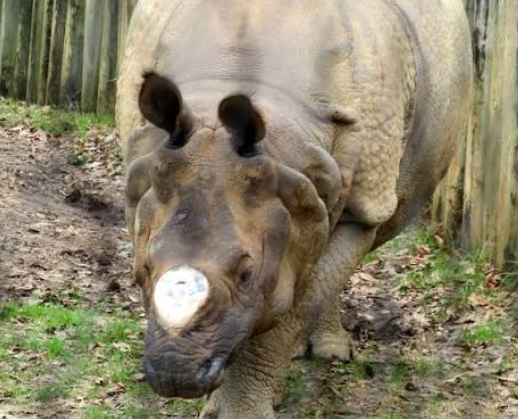
Rhinos are fascinating creatures, both in their physical appearance and behavioral patterns. One intriguing action they exhibit is rubbing their horns on trees. This behavior has various functions, from maintenance to social signaling, and understanding it can provide insight into the lives of these magnificent animals.
1. Horn Maintenance and Health
Rubbing their horns against trees is not just a whimsical activity for rhinos; it serves a crucial purpose in the maintenance of their horns. Rhino horns are made of keratin, the same material found in human hair and nails. Over time, as rhinos use their horns for foraging and defense, they can become worn or chipped. By rubbing against trees, rhinos can help keep their horns in optimal condition and promote healthier, stronger growth.
Furthermore, this behavior may also assist in removing parasites or debris that can accumulate on the horns. In the wild, rhinos face many challenges, including ticks and other external threats that can compromise their skin and horn health. Rubbing against the rough surface of a tree can effectively dislodge these unwelcome guests, helping to keep the rhino healthy and comfortable.
-
- Observe the frequency of horn rubbing: frequent rubbing may signal discomfort.
-
- Check for any visible damage on the horns after a rub session.
-
- Monitor the rhino’s overall health by assessing its activity level.
-
- Ensure the environment has adequate trees or surfaces for natural horn maintenance.
2. Communication and Territorial Marking
In addition to horn maintenance, rubbing their horns on trees is a method of communication among rhinos. The act of rubbing leaves behind scent markings, which are crucial for establishing territory and signaling presence to other rhinos. This olfactory marking system informs other animals of the individual rhino’s presence and can deter potential rivals from encroaching on its territory.
Each rhino has a unique collection of scents that convey important information about its age, health, and reproductive status. By engaging in this behavior, rhinos can share their identity without direct confrontation, allowing them to communicate effectively while minimizing the risk of physical altercations that could lead to injury.
-
- Encourage a space where rhinos can freely interact with trees for optimal communication.
-
- Respect the natural habits of rhinos by minimizing intrusive activities in their territories.
-
- Use scent and marking analysis to monitor rhino populations in the wild.
-
- Educate others about the importance of scent marking in rhinos.
3. Social and Behavioral Learning
Another noteworthy aspect of why rhinos rub their horns on trees is the social learning involved. Young rhinos observe adult rhinos engaging in this behavior, learning the importance of maintaining their horns and communicating through scent marking. This observational learning is a key component of their development and social integration, as young rhinos mimic adult behaviors to adapt effectively to their environment.
By participating in horn rubbing, young rhinos are not just learning to maintain their physical health but are also developing social bonds with adults. These interactions foster a sense of community, which is essential for species that can sometimes be solitary. Adults often rub their horns as part of social rituals, reinforcing social hierarchies and strengthening relationships within a group.
-
- Foster a communal area where young and adult rhinos can interact safely.
-
- Facilitate educational programs about the social structures of rhinos.
-
- Document and study the behaviors to learn more about social learning in rhinos.
-
- Observe and promote healthy interactions among rhinos in conservation areas.
4. Habitat Interaction and Conservation Implications
The act of rubbing their horns on trees also highlights how rhinos interact with their habitat, which is increasingly important in an era of habitat loss. Trees play a vital role in the ecosystems rhinos inhabit, providing sources of shelter and food. However, as deforestation and habitat degradation continue, the availability of suitable surfaces for grooming and marking can diminish, potentially affecting rhino populations.
Conservation efforts must take into account these behavioral needs, ensuring that rhinos have access to healthy tree populations. By understanding what rhinos require from their habitat, conservationists can implement strategies to preserve their ecosystems, thereby supporting the health and well-being of these majestic animals.
-
- Assess habitats for adequate tree coverage and suitable surfaces for behavior.
-
- Implement reforestation programs to ensure tree availability.
-
- Educate communities about woodlands’ importance to rhino populations.
-
- Monitor rhino movements to understand habitat usage patterns.
In conclusion, the unique behavior of rhinos rubbing their horns on trees serves multiple vital purposes—from maintaining horn health to facilitating social interactions. These insights highlight the critical relationship between rhinos and their ecosystems. By understanding these behaviors, we can take meaningful steps toward ensuring the conservation and well-being of rhinos in their natural habitats. Whether you are an enthusiast or a conservationist, consider taking actionable steps to support these amazing creatures and their environment.