
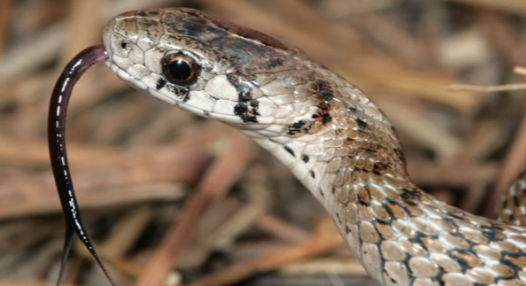
Have you ever noticed how snakes flick their tongues in and out, seemingly tasting the air? This curious behavior is more than just a quirky trait; it’s a vital part of how snakes interact with their environment. In this blog post, we’ll explore the fascinating reasons behind this intriguing action and how it helps these reptiles survive in the wild.
1. Understanding the Jacobson’s Organ
The primary reason snakes flick their tongues is to utilize a sensory organ called the Jacobson’s organ, or vomeronasal organ. This organ is located on the roof of their mouth and helps them detect chemical signals in their environment. When a snake flicks its tongue, it collects scent particles from the air and then transfers them to this specialized organ, allowing them to analyze their surroundings more effectively.
This flavorful form of “tasting” is crucial for hunting, mating, and safety. For example, many snakes follow the scent trails of potential prey or mates, using their tongues to gather olfactory cues. This sensory method is particularly useful given that snakes have a limited capability to see and hear compared to other animals. By analyzing the information gathered through their flicking tongues, they can make informed decisions for survival.
-
- Observe how snakes flick their tongues when hunting.
-
- Consider how different environments affect scent distribution.
-
- Learn about other animals that utilize the Jacobson’s organ.
-
- Research various snake species and their hunting strategies.
-
- Watch videos that demonstrate tongue flicking in action.
2. Communication Through Scent
Snakes also use tongue flicking as a form of communication. By absorbing chemical cues from the environment, snakes can send signals to each other regarding territory, mating readiness, and even danger. This silent form of communication is essential, especially when dealing with other snakes in the wild.
For instance, during the mating season, many snake species exhibit increased tongue flicking to attract potential partners. Males may flick their tongues more frequently when they detect pheromones released by females, indicating that they are ready to mate. This behavior is not only essential for reproduction but also for maintaining social hierarchies within groups of snakes.
-
- Note how snakes communicate differently from mammals.
-
- Pay attention to scent cues during mating seasons.
-
- Study pheromones in reptiles and their effects.
-
- Look into how environmental conditions affect snake behavior.
-
- Attend local reptile shows to observe snakes up close.
3. Environmental Adaptability
Flicking their tongues also allows snakes to adapt to various environments. Different habitats will present different challenges and opportunities, and being able to assess their surroundings effectively gives snakes an advantage. For example, in dense forests, snakes may rely more on their tongues to navigate and locate food, while in open areas, visual cues might become more significant.
Additionally, this adaptation aids in hunting strategies. Some snakes may use tongue flicking to track prey, while others might rely on it to sense predators. By being in tune with their surroundings through chemical detection, snakes become successful hunters and survivors in diverse ecosystems.
-
- Explore the diverse environments where snakes live.
-
- Understand how different species adapt their tongue flicking.
-
- Participate in citizen science projects to track snake behaviors.
-
- Learn about conservation efforts to protect snake habitats.
-
- Read up on how climate change affects snake populations.
4. The Role of Temperature and Humidity
Another fascinating aspect of snake tongue flicking is how weather, such as temperature and humidity, impacts this behavior. On warmer and more humid days, scents are amplified, allowing snakes to gather more olfactory information. Consequentially, you may observe increased tongue flicking in these conditions as snakes take advantage of the optimal environment for scent detection.
Cold and dry conditions can hinder a snake’s ability to gather scent particles effectively. Consequently, they may reduce tongue flicking as the effectiveness of their sensory communication decreases. Understanding these environmental variables can help reptile enthusiasts and researchers assess snake activity levels in various conditions.
-
- Monitor weather conditions when observing snake behavior.
-
- Know that snakes may be less active during extreme weather.
-
- Keep an eye on humidity for optimal tracking of snake sightings.
-
- Review research on how temperature affects reptile metabolism.
-
- Engage in wildlife photography during different seasons for better activity.
In conclusion, the flicking tongue of a snake is a remarkable adaptation that serves multiple purposes, from hunting and communication to environmental interaction. By observing this behavior, one can gain insights into the fascinating world of snakes. If you’re intrigued by reptiles and their unique adaptations, consider learning more about local species and their habitats. Your curiosity can lead to a better understanding and appreciation of these incredible creatures!