
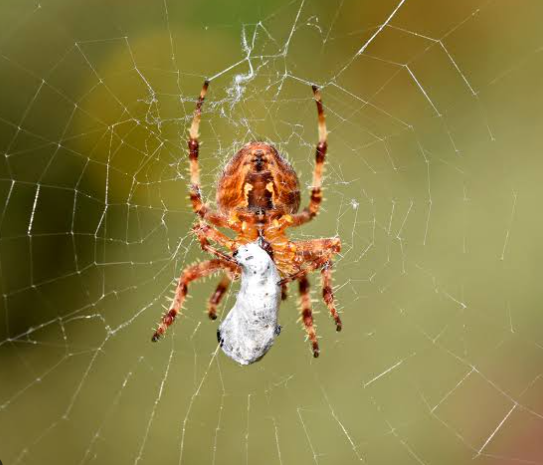
Have you ever noticed how spiders meticulously wrap their prey in silk? This fascinating behavior has intrigued both scientists and nature enthusiasts alike. Understanding why spiders engage in this practice reveals much about their survival strategies and ecological roles.
1. The Purpose of Wrapping Prey
One of the primary reasons spiders wrap their prey in silk is to immobilize it. Once a spider captures its meal, it can be quite dangerous for the spider to leave it unwrapped. This wrapping not only restricts the prey’s movement but also reduces the risk of injury to the spider. For instance, larger prey like wasps or beetles can inflict painful stings or bites, so wrapping them in silk serves as a protective measure.
Additionally, wrapping prey helps in the preservation of the meal. A spider’s silk creates a barrier that can keep other scavengers away until the spider is ready to consume it. For example, orb-weaver spiders often wrap their captured insects tightly, ensuring that the prey stays fresh while the spider digests other meals. The silk effectively acts as both a trap and a container for the spider’s food.
-
- Always secure your prey to immobilize it effectively.
-
- Consider the size of the prey; larger insects may require extra wrapping.
-
- Wrap the prey tightly to prevent any movement.
-
- Be mindful of using silk that is sticky enough to hold the prey securely.
2. The Composition of Spider Silk
Another critical aspect to consider is the unique composition of spider silk itself. Spider silk is made primarily of proteins, which give it remarkable strength and elasticity. For instance, silk produced by the Golden Orb-Weaver is both incredibly strong and lightweight, making it ideal for wrapping prey. This silk can stretch without breaking, allowing spiders to wrap their prey in multiple layers without sacrificing security.
The different types of silk produced by spiders serve various purposes. For example, some silks are specially designed for wrapping, while others are used for creating webs or egg sacs. Understanding the different properties of spider silk helps researchers develop innovative materials in various fields, from medicine to engineering. The versatility of spider silk reveals its evolutionary importance in the spider’s hunting and survival strategies.
-
- Explore different types of silk produced by various spider species.
-
- Consider the applications of spider silk in modern technology.
-
- Get familiar with the structural properties that make it unique.
-
- Research ongoing studies on spider silk and its potential uses.
3. Ecological Importance of Prey Wrapping
The practice of wrapping prey in silk goes beyond merely feeding; it plays a vital role in the ecosystem. By capturing and immobilizing prey like insects, spiders help control pest populations, contributing to ecological balance. For instance, a single spider can kill dozens of flies and other pests in its lifetime, reducing the need for chemical pesticides in gardens and agricultural settings.
Furthermore, the silk itself enriches the environment. Decomposed silk provides essential nutrients back to the soil, promoting plant growth. Spiders are often viewed with disdain, yet they perform essential functions that support the health of ecosystems. By understanding their role, we can appreciate the presence of spiders in our gardens and homes.
-
- Recognize the importance of spiders in pest control.
-
- Support habitats that encourage spider populations.
-
- Educate others on the ecological roles of spiders.
-
- Promote organic gardening practices that reduce pesticide use.
In summary, spiders wrap their prey in silk for several vital reasons: to immobilize their catch, protect themselves, and contribute to the ecological balance. Understanding these behaviors not only deepens our appreciation of these fascinating creatures but also highlights their importance in nature. So the next time you see a spider wrapping its meal, remember the intricate web of behaviors and ecological roles they embody.
For those who want to learn more, consider observing spiders in their native habitats or reading further on their ecological impact. By doing so, you can contribute positively to their preservation and appreciate the wonders of nature even more!