
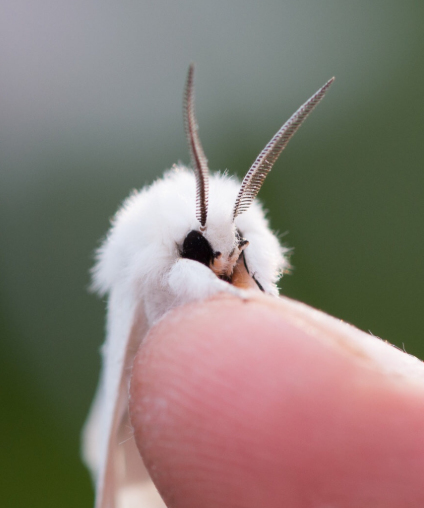
Moths are fascinating creatures with many intriguing behaviors, one of which is their peculiar tendency to fly toward light at night. This phenomenon has sparked curiosity for centuries, leading to questions about their motives and the science behind their attraction to illumination.
In this blog post, we’ll explore the reasons why moths are drawn to light, the role of their navigation methods, and the implications of this behavior.
1. The Navigation Mechanism of Moths
Moths primarily use natural light sources, like the moon, to navigate during their nocturnal activities. By keeping celestial bodies at a consistent angle, moths can travel in a straight line. However, artificial lights confuse this navigation system. When a moth approaches an artificial source of light, it can’t maintain its angle, causing it to spiral inwards.
This confusion is often exacerbated by the brightness and intensity of artificial lights. Moths often become trapped around porch lights or street lamps as they struggle to regain their bearings. The phenomenon results in moths flying around these lights, creating a mesmerizing yet perplexing display.
-
- Understand that moths navigate using natural light sources.
-
- Recognize that artificial lights can disrupt their navigation.
-
- Observe how moths behave around different types of lights.
-
- Consider alternatives to bright lights in moth-populated areas.
2. The Role of Phototaxis
Phototaxis refers to an organism’s movement in response to light. Moths exhibit positive phototaxis, meaning they are naturally attracted to light. This behavior may have evolved because it helps them avoid predators or find mates more effectively in darker environments.
Research indicates that the attraction to light might also be a side effect of their evolutionary adaptations. As moths evolved in environments filled with natural light, they developed a tendency to seek it out, equating brightness with safety and potential food sources. This adaptation may have significant evolutionary advantages that continue to influence their behavior today.
-
- Expand your understanding of phototaxis and its effects on moth behavior.
-
- Monitor how moths react in various lighting conditions.
-
- Learn about different moth species and their specific light preferences.
-
- Consider how natural light can be beneficial for moths in your garden.
3. Impact of Artificial Lighting on Moth Populations
The prevalence of artificial light has a notable effect on moth populations. Studies have shown that excessive nighttime lighting can disrupt mating habits and decrease overall biodiversity. Moths rely on natural cues for reproduction, and bright artificial lights can lead to mortality rates that ultimately affect their populations.
Additionally, the change in behavior caused by artificial lights can have broader ecological consequences. Birds and other predators might become dependent on moths attracted to lights, leading to a shift in their hunting patterns. This disruption can lead to an imbalance in the local ecosystem and ultimately threaten various species.
-
- Assess the impact of local lighting on nearby moth populations.
-
- Engage in responsible lighting practices to protect local wildlife.
-
- Participate in community efforts to reduce light pollution.
-
- Educate others on the ecological importance of nocturnal insects.
4. Moths and Their Essential Role in Ecosystems
Despite their sometimes-neglected reputation, moths are crucial to many ecosystems. They serve as pollinators for numerous plants and provide food for a variety of animals, including birds and bats. Without these nocturnal insects, numerous plants could face challenges in reproduction and growth.
Moreover, moths contribute to nutrients in the soil through their lifecycle. When they feed on plants, they help in plant health and biodiversity, ensuring the ecosystem remains balanced. Recognizing their value is essential for appreciating the complexity of ecosystems and the interdependence of species.
-
- Foster biodiversity by planting moth-friendly plants in your garden.
-
- Create a habitat that meets the needs of moths and other nocturnal creatures.
-
- Join local conservation efforts focused on preserving insect populations.
-
- Stay informed about the ecological roles of different moth species.
Understanding why moths fly toward light can deepen our appreciation of these remarkable insects. By staying informed and adopting responsible practices, we can contribute positively to their survival and the health of our ecosystems. Whether you’re a nature enthusiast or simply curious, there’s always something new to learn about the fascinating world of moths.