
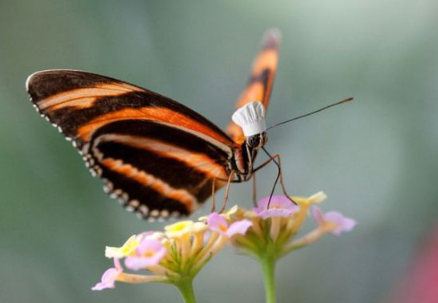
Have you ever marveled at the delicate elegance of butterflies fluttering around gardens? Beyond their beauty lies a fascinating adaptation: butterflies actually taste with their feet! This unique ability plays a crucial role in their survival and helps them make informed choices about their environment. Let’s dive deeper into this intriguing topic.
1. The Science Behind Taste Buds in Butterflies
Butterflies have evolved to possess taste receptors on their feet, allowing them to identify suitable host plants for laying eggs and sources of nectar. When a butterfly lands on a surface, tiny sensory cells detect chemical compounds present, helping the insect determine whether the plant is a good candidate for food or reproduction. This is essential because not every plant will provide the necessary nutrients for a butterfly to thrive.
For instance, the caterpillars of certain butterfly species are highly selective about their host plants. The milkweed butterfly, or monarch, relies exclusively on milkweed for its lifecycle. By tasting with their feet, butterflies can quickly ascertain if a plant is indeed a milkweed, helping avoid potential hazards—some plants may be toxic or unsuitable for egg-laying.
-
- Observe butterflies in natural settings to see how they land on various plants.
-
- Research the preferred host plants for various butterfly species.
-
- Consider planting native species to attract local butterflies.
-
- Learn about the ecosystem role of butterflies and how they affect other species.
2. Taste and Feeding: A Butterfly’s Nutritional Strategy
A butterfly’s diet primarily includes nectar, which provides essential sugars for energy. However, not all nectar is created equal; the nutritional content varies by plant. The ability to taste with their feet allows butterflies to assess the sweetness and nutrient profile of the nectar before feeding, maximizing their foraging efficiency. This skill increases their chances of thriving in the wild.
Additionally, butterfly species like swallowtails and skippers show preferences for specific plants. These preferences can be influenced by the plant’s chemical composition, which the butterfly can detect by briefly resting on the leaves. This evolutionary trait significantly impacts their feeding habits, ensuring butterflies select the most nutritious nectar sources to sustain their energy for flight and reproductive activities.
-
- Identify various nectar-rich flowers in your area.
-
- Observe how butterflies interact with different plants to learn their preferences.
-
- Create a butterfly-friendly garden by including a variety of flowering plants.
-
- Research the nutritional benefits of different plants for butterflies.
3. Environmental Adaptations and Survival
Butterflies face numerous challenges in their environment, including predators, habitat loss, and climate change. The ability to taste with their feet aids in their survival by allowing them to quickly detect safe environments. For instance, by identifying plants with the right chemical signals, butterflies can evade encounters with toxic flora and find safe havens for resting and feeding.
This adaptation also influences their migratory patterns. Certain butterfly species, such as the monarch, are known to migrate long distances. During their journey, they use their foot-tasting ability to select suitable rest stops that can provide sustenance. This ensures they remain healthy and continue their journey toward warmer climates during colder months.
-
- Support butterfly conservation by protecting their habitats.
-
- Reduce pesticide use, which can harm butterfly populations.
-
- Participate in local or online butterfly monitoring programs.
-
- Educate others about butterfly biology and their critical role in ecosystems.
In conclusion, the extraordinary ability of butterflies to taste with their feet is an adaptation that enhances their survival and reproductive success. By understanding and appreciating this unique trait, we can contribute to conserving butterfly populations and the ecosystems they inhabit. Next time you spot a butterfly, take a moment to observe its fascinating behavior and consider how you can be a part of its preservation.