
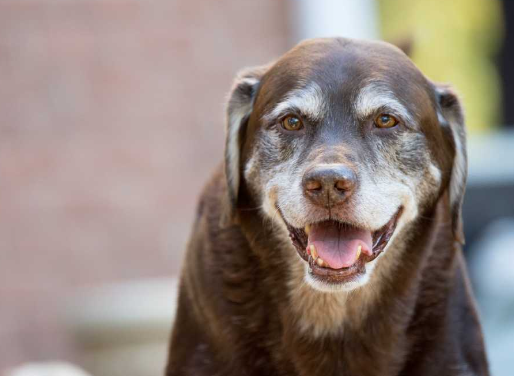
Adopting a senior stray dog can be both a rewarding and challenging experience. While these dogs often come with a lifetime of love and companionship, they may also bring unique issues that need to be addressed. Understanding the specific challenges can help you make an informed decision about adoption.
1. Health Concerns
One of the primary challenges of adopting a senior stray dog is dealing with health issues. Older dogs are more likely to suffer from a range of medical conditions, including arthritis, heart disease, and dental problems. A thorough veterinary check-up is essential before bringing the dog home. Regular medical attention may require additional budgeting for medications or specialized diets as well.
Moreover, some health issues may go unnoticed initially, so keeping an eye out for behavioral changes or unusual symptoms is crucial. Investing in a pet insurance plan can alleviate some financial strain, allowing you to focus on your dog’s well-being without the constant worry of escalating costs. Coupled with proper nutrition and a tailored exercise plan, addressing health concerns can help improve a senior dog’s quality of life significantly.
-
- Schedule a comprehensive vet check-up prior to adoption.
-
- Research common health issues related to your dog’s breed.
-
- Consider investing in pet insurance for unexpected medical needs.
-
- Monitor your dog’s behavior for signs of discomfort or illness.
-
- Adjust diet and exercise plans according to vet recommendations.
2. Behavioral Challenges
Senior dogs can exhibit behavioral issues stemming from their past experiences as strays. This might include fear, anxiety, or difficulty in social situations. They may not be accustomed to family life or could have had traumatic interactions with people or other animals. Patience and consistent training are paramount in helping your new furry friend adjust to their new environment.
Some dogs might also have ingrained habits, such as resource guarding or excessive barking, that may require special training methods to overcome. Engaging a professional dog trainer who specializes in senior dogs can provide effective strategies tailored to your pup’s needs. Building up trust and easily recognizing the cues they display can help create a loving and secure environment.
-
- Be patient as your new dog adjusts to their new home.
-
- Utilize positive reinforcement training methods.
-
- Seek the help of a professional trainer if behavioral issues arise.
-
- Spend quality time with them to build trust.
-
- Engage in regular, low-stress social activities to help them acclimate incrementally.
3. Energy and Exercise Needs
While seniors may not require the same level of high-energy exercise as younger dogs, their physical health still must be considered. Older dogs often need gentle walks and moderate playtime, which can sometimes be challenging for new owners who may not recognize their limitations. It’s essential to establish a balanced routine that acknowledges their activity level and helps maintain a healthy weight.
Tailoring exercises specifically for seniors, such as low-impact play and easy walks, ensures they don’t overexert themselves. Additionally, encouraging mental stimulation through games or toys can keep their minds engaged without needing intense physical activity. Making small adjustments in their routine based on their reactions can lead to a happier, healthier dog.
-
- Consult your vet for recommended exercise guidelines for seniors.
-
- Engage in short, frequent walks rather than long distance ones.
-
- Incorporate mental stimulation through puzzle toys.
-
- Avoid high-impact activities that may strain their joints.
-
- Observe your dog’s energy levels to adjust exercise accordingly.
4. Socialization and Community Integration
Senior stray dogs may find it challenging to adapt to new social settings, including interactions with other pets and people. Their past experiences could influence their behavior and reactions in unfamiliar environments. Gradual exposure to social situations is essential, starting within the safety of your home and then expanding to the wider community.
It’s important to recognize that these dogs might require additional time to build confidence in public spaces or when meeting new people. Developing a routine that includes safe environments where they can interact with other pets under supervision will promote social skills and comfort. Engaging with local dog training classes can also provide valuable opportunities for socialization.
-
- Start socialization in a calm and familiar environment.
-
- Gradually introduce your dog to new people and environments.
-
- Monitor interactions with other dogs to ensure safety.
-
- Participate in local dog-friendly events to expose them to new experiences.
-
- Consider enrolling in classes designed for senior pets.
Adopting a senior stray dog comes with challenges, but these can be overcome with love, care, and patience. By understanding their needs and preparing appropriately, you can provide a fulfilling life for your new companion. Take the next step in your journey by consulting a veterinarian or local rescue organization to explore adoption options that best suit your lifestyle and preferences.