
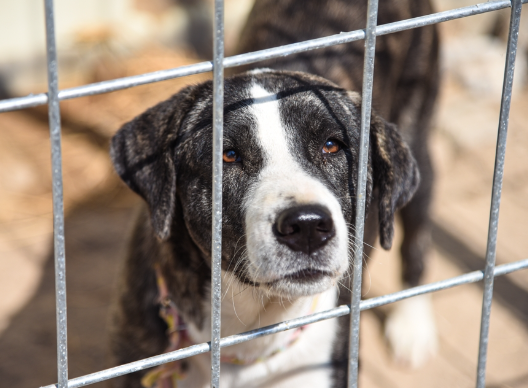
Adopting a rescued stray dog can be a rewarding experience that brings joy and companionship into your life. However, it’s essential to carefully consider several factors before making such a commitment. Here are some crucial questions to ask yourself to ensure you’re prepared for this significant responsibility.
1. Can I Provide a Stable Environment?
Before bringing a stray dog into your home, assess if you can offer a stable living environment. Stray dogs often come from backgrounds of uncertainty, and having a consistent routine will help them adjust better. Consider your home’s layout, including whether it’s dog-friendly, and think about how you’ll provide space for the dog to feel secure.
Additionally, consider your daily schedule. Dogs thrive on routine, so evaluate how your work, social, and family commitments might affect your availability. If you travel frequently or have erratic schedules, think about how you’ll manage the dog’s needs during those times.
-
- Evaluate your home for safety hazards.
-
- Establish a daily routine for feeding, walking, and training.
-
- Consider how your other pets will react to a new dog.
-
- Plan for emergencies, including vet visits or sudden changes in schedule.
2. Am I Prepared for the Financial Commitment?
Adopting a dog comes with numerous financial responsibilities that go beyond the initial adoption fee. Regular costs include food, grooming, veterinary care, vaccinations, and potential emergency expenses. Create a budget that accounts for these ongoing costs to gauge whether you can sustain a dog’s care.
Also, consider unexpected expenses that come with adopting a stray. Some rescued dogs may need medical attention for existing health issues or behavioral training due to past traumas. Having a financial cushion can help you tackle these unanticipated costs without added stress.
-
- Research typical breed expenses and medical care.
-
- Create a monthly budget for dog-related costs.
-
- Look into pet insurance for unexpected medical expenses.
-
- Set aside a fund for emergency vet visits.
3. What Training Will the Dog Need?
Every dog, especially a rescued stray, may have specific training needs. Understanding the dog’s past behavior will help you tailor your approach to training. For instance, if the dog shows signs of fear or anxiety, you may need to invest more time in positive reinforcement methods to help them gain confidence.
In addition to basic obedience commands such as sit and stay, consider training related to the dog’s specific behavior issues. For dogs that may have been neglected or mistreated, consistent training and socialization are key to helping them acclimate to their new home environment effectively.
-
- Enroll in a positive reinforcement training class.
-
- Practice basic commands daily to reinforce learning.
-
- Socialize the dog with various people and environments.
-
- Be patient and consistent with training efforts.
4. Can I Commit to the Dog’s Emotional Needs?
Rescued stray dogs often carry emotional baggage from their past lives. They may show anxiety, fear, or distrust towards people and other animals. It’s vital to be patient and understanding of these emotional scars, as they can take time to heal. Regular affection, reassurance, and a calm environment will help your dog feel safe and loved.
Additionally, consider the time and emotional energy you will need to invest in building a relationship with your new dog. Frequent interaction and bond-building activities will be crucial for establishing trust and connection. This commitment can lead to a fulfilling companionship over time.
-
- Spend quality time each day bonding with the dog.
-
- Be observant to understand the dog’s emotional triggers.
-
- Establish a safe space where the dog can retreat when anxious.
-
- Consider professional behavior help if needed.
5. Do I Have a Support System in Place?
Lastly, think about your support system as you contemplate adopting a stray dog. Having friends or family members who can assist, whether through pet-sitting, training advice, or simply emotional support, can make a big difference in your journey as a new dog owner. If you’re new to dog ownership, mentors can offer practical tips and encouragement.
Additionally, connect with local dog communities or volunteer groups, as they often provide resources for new adopters. These networks can help you navigate challenges and celebrate successes along the way, making your experience more enjoyable.
-
- Identify friends or family who are pet owners for advice.
-
- Join local dog groups or online forums for support.
-
- Find a regular vet to provide medical support and advice.
-
- Be open to seeking help when needed.
In conclusion, adopting a rescued stray dog is a significant and life-changing decision that requires careful consideration and preparation. By asking yourself the right questions and seeking support, you can create a loving and stable environment for your new companion. Start today by reaching out to local shelters or rescue organizations to learn more about the adoption process.