
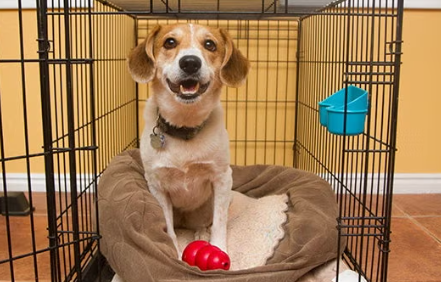
Bringing a rescued stray dog into your home is a rewarding experience, but it also comes with its unique challenges. Crate training is an effective method to provide your new furry friend with security and establish boundaries. Here are some helpful tips to make the process smooth and enjoyable for both of you.
1. Understanding Your Dog’s Background
Rescued stray dogs often come with a history that can affect their behavior, including their experience with confinement. Some may have traumatic experiences related to crates or small spaces, while others might be unfamiliar with the concept altogether. Understanding your dog’s background will help you tailor your crate training approach to their specific needs.
Observing your dog’s body language is key. Look for signs of stress or anxiety, such as excessive panting, whining, or trying to escape. By being attentive, you can adapt your training techniques, ensuring the crate becomes a safe haven rather than a place of fear.
-
- Research your dog’s breed and common traits.
-
- Spend time observing their reactions to confined spaces.
-
- Be patient and allow them to adjust to a new environment.
-
- Consult with shelter staff for insights on your dog’s history.
2. Creating a Positive Crate Environment
The appearance of the crate can significantly impact your dog’s willingness to enter it. Start by placing the crate in a quiet yet accessible area of your home. Include a soft bed, some favorite toys, and maybe even a piece of your clothing to make the space feel safe and comforting. The goal is to make the crate inviting enough that your dog wants to spend time inside.
Using positive reinforcement is essential to crate training success. Whenever your dog enters the crate voluntarily, offer praise, treats, or playtime as a reward. This will help them associate the crate with fun and positive experiences, making it less likely that they will resist going inside.
-
- Choose a well-ventilated and spacious crate.
-
- Add comfortable bedding and toys to the crate.
-
- Use treats and praise when they enter the crate.
-
- Avoid using the crate as punishment.
3. Establishing a Daily Routine
Dogs thrive on routine, which not only provides structure but also aids in successful crate training. Establishing a consistent schedule for feeding, walks, and crate time can help your new dog feel more secure and comfortable. When your dog knows what to expect, they are less likely to feel anxious about their crate.
Consider incorporating crate time gradually throughout the day. Start with short intervals, allowing your dog to enjoy their crate as a resting spot. Gradually increase the duration as they become more comfortable, ensuring you always reward positive behaviors associated with crate use.
-
- Set set feeding times to create a schedule.
-
- Incorporate regular exercise and playtime.
-
- Gradually increase crate time in small increments.
-
- Reward your dog frequently during training.
4. Handling Issues and Troubleshooting
Even with the best intentions, crate training may come with hiccups. If your dog exhibits signs of distress, such as whining or barking, don’t rush to open the crate. Doing so can reinforce the negative behavior, teaching them that vocalizing will lead to release. Instead, allow some time, ensuring you only let them out when they are calm.
In cases where your dog refuses to enter the crate, try placing it near their favorite resting area or using treats to entice them. An alternative approach is to feed them their meals inside the crate, making it a pleasant and rewarding place to be. Never force them in, as this can create further anxiety.
-
- Use calming techniques, such as gentle music or pheromone sprays.
-
- Maintain a calm demeanor to avoid escalating anxiety.
-
- Keep the crate door open during the initial training phase.
-
- Seek advice from professional trainers if necessary.
Crate training can be a highly effective way to transition a rescued stray dog into a loving home. By investing time and patience, you can help your new friend feel secure and establish healthy boundaries. Remember to be consistent and always celebrate the small victories along the way.