
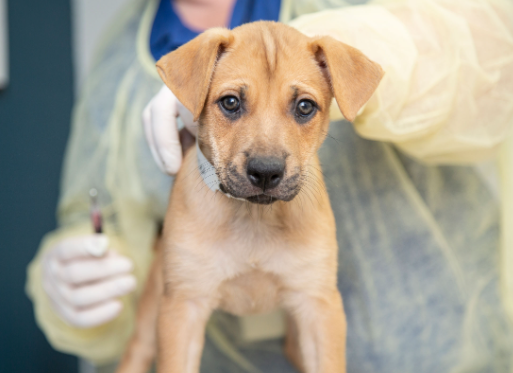
Bringing a rescued stray dog into your home can be a rewarding experience, but it also comes with responsibilities. One of the most crucial steps in ensuring their health and happiness is vaccinations. Understanding which vaccinations your new furry friend may need is essential to providing them with a safe, healthy life.
1. Core Vaccinations: The Essentials
Core vaccinations are those that every dog should receive, as they protect against highly contagious and potentially deadly diseases. The most common core vaccines include those for rabies, distemper, parvovirus, and adenovirus. For example, the rabies vaccine is particularly important as it is mandated by law in many areas, and rabies can be transmitted through bites from infected animals.
Dogs that have been living on the streets may have been exposed to these diseases, making it critical for them to get their core vaccines as soon as possible. A veterinarian typically recommends a vaccination schedule that can be adjusted based on the dog’s age and health status. Consulting with a vet can provide a tailored plan for your dog’s specific needs.
-
- Schedule a veterinary appointment as soon as possible.
-
- Bring any medical history or previous vaccination records if available.
-
- Ask your vet about the vaccination schedule.
-
- Ensure your dog completes follow-up vaccinations on time.
2. Non-Core Vaccinations: Tailored Protection
Non-core vaccinations are additional vaccines that may be recommended based on your dog’s lifestyle and environment. These can include vaccines for Bordetella (kennel cough), Lyme disease, and leptospirosis, among others. For instance, if your rescued dog is likely to be in contact with other dogs, a Bordetella vaccine may be advisable to prevent respiratory infections.
The risk of certain diseases can vary by location, so it’s important to discuss your dog’s living situation with your veterinarian. If you live in an area where Lyme disease is prevalent, your dog may benefit from the Lyme vaccine. A customized vaccination plan can help maximize your dog’s immunity against threats specific to your neighborhood.
-
- Evaluate your dog’s lifestyle: Does it interact with many other dogs?
-
- Know the common diseases in your area.
-
- Discuss potential non-core vaccines with your vet.
-
- Stay informed about any outbreaks or health alerts in your community.
3. Special Considerations for Older or Sick Dogs
If your rescued stray dog is older or has pre-existing health conditions, it’s especially important to consider how vaccinations may affect them. Older dogs may have a weakened immune system, making it necessary to approach vaccinations with care. Your veterinarian may recommend a limited vaccination schedule or titers, which are blood tests to determine immunity levels for specific diseases.
Implementing a tailored approach for sick or older dogs can ensure their safety while still protecting them against serious infections. Always monitor your dog for any adverse reactions after vaccinations and reach out to your vet immediately if you notice something unusual. It’s essential that older dogs receive careful and considerate veterinary care tailored to their unique needs.
-
- Consult with a vet specialized in geriatrics or sick animals.
-
- Inquire about the possibility of titers to assess immunity.
-
- Monitor your dog for side effects post-vaccination.
-
- Provide a comfortable space for recovery after vaccinations.
4. The Importance of Regular Vet Visits
Vaccinations are just one part of ensuring a long and healthy life for your new furry friend. Regular vet visits are vital for monitoring their overall health, updating vaccines as needed, and addressing any medical concerns. These check-ups also provide an opportunity to discuss nutrition, exercise, and behavior, which can significantly contribute to your dog’s quality of life.
Keeping up with a consistent vet schedule not only helps you stay on top of vaccinations but allows your vet to catch any potential health problems early. Regular visits can lead to better preventative care and a longer, healthier life for your dog. Always arrive prepared with questions or concerns to maximize your time during these appointments.
-
- Create a vet appointment schedule for routine check-ups.
-
- Keep a record of all vaccinations and health concerns.
-
- Ask your vet for advice on a healthy diet and exercise.
-
- Monitor any changes in behavior or health and report them.
In conclusion, ensuring your rescued stray dog receives the necessary vaccinations is crucial for their well-being. By understanding the core and non-core vaccines, recognizing special considerations, and maintaining regular vet visits, you can provide a healthy foundation for your new companion. Don’t hesitate to consult with a professional to craft a care plan that ensures your dog’s health and happiness from day one.