
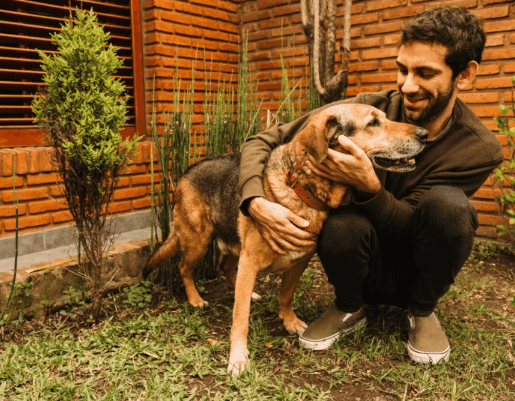
Understanding fear-based behavior in rescued stray dogs is crucial for fostering their recovery and integration into loving homes. Many of these dogs have experienced past trauma and insecurity, which can manifest in various ways. By gaining insight into their behaviors, we can provide the necessary support and create a comfortable environment for these dogs.
1. Recognizing Fear Signs in Stray Dogs
Identifying the signs of fear in rescued stray dogs is the first step in helping them overcome their anxieties. Common behaviors may include cowering, tucking the tail between the legs, excessive panting, or attempting to hide. These signs can manifest differently depending on the dog’s background, so it’s essential to remain observant and patient while assessing their fear levels.
For instance, a stray dog that flinches at sudden noises might have had a traumatic experience related to loud sounds, such as fireworks or construction work. Understanding these triggers can help foster a more supportive environment, allowing the dog to acclimate slowly to their new surroundings.
-
- Observe body language and facial expressions.
-
- Note specific triggers that elicit fear responses.
-
- Keep a calm and relaxed demeanor when interacting.
-
- Use treats to encourage positive behaviors.
2. Building Trust Step by Step
Establishing trust with a fearful dog requires patience and consistency. Start by creating a safe and quiet space where the dog can retreat whenever they feel overwhelmed. Avoid forcing interactions; let the dog approach you in their own time. It’s essential to move slowly and use gentle tones to help them feel secure.
One effective method is to introduce yourself with treats. Tossing treats on the ground can help the dog associate you with positive experiences without the pressure of direct interaction. Over time, this can lead the dog to feel more comfortable approaching you for affection or companionship.
-
- Offer a safe space that is free from loud noises.
-
- Use positive reinforcement to encourage trust.
-
- Give the dog time to explore their new environment.
-
- Be consistent in your approach and interactions.
-
- Keep training sessions short and enjoyable.
3. Training Techniques for Overcoming Fear
Training can play a vital role in helping stray dogs overcome their fears. Positive reinforcement is one of the most effective techniques, where dogs are rewarded for facing their fears gradually. By breaking down their fears into manageable steps, canines are more likely to succeed and gain confidence through each small achievement.
For example, if a dog is afraid of strangers, start with short, calm encounters rather than exposing them to large groups. Gradually increase the intensity of the exposure, always rewarding the dog for remaining calm. This gradual process allows dogs to build confidence without feeling overwhelmed.
-
- Start with basic commands to build foundation skills.
-
- Implement desensitization techniques for specific fears.
-
- Use treats and praise during training sessions.
-
- Be patient and avoid punishing fearful behavior.
-
- Incorporate socialization into their daily routine.
4. Providing Enrichment to Reduce Anxiety
Incorporating enrichment activities into a rescued dog’s routine can significantly improve their mental well-being, leading to a reduction in anxiety. Engaging in interactive games, puzzle toys, or even exercise can distract them from their fears. Physical and mental stimulation is essential for building a well-rounded, happy pet.
For example, taking the dog on daily walks, offering them toys that promote problem-solving, or participating in gentle play can provide opportunities for them to express themselves. Additionally, these activities encourage bonding and trust between the dog and their human caretaker, further alleviating fear-induced behaviors.
-
- Engage in daily walks to stimulate physical health.
-
- Introduce interactive toys to promote mental engagement.
-
- Schedule regular play sessions for bonding.
-
- Explore new environments gradually.
-
- Offer diverse activities to keep the dog interested.
5. Seeking Professional Help When Necessary
Sometimes, fear-based behavior can be complex, necessitating the intervention of a professional trainer or behaviorist. Highly fearful dogs may require tailored strategies and a structured training plan that individuals may find challenging to implement alone. Professional guidance can facilitate a deeper understanding of canine behavior issues, minimizing the chances of further anxiety-induced issues.
Look for a certified dog trainer with experience in fear-based behaviors. They can provide insights and methods that relate specifically to your dog’s unique situation. Moreover, professional trainers often use humane techniques that prioritize the safety and comfort of the dog.
-
- Research qualified trainers in your area.
-
- Seek recommendations from veterinarians or shelters.
-
- Observe training sessions before committing.
-
- Discuss specific issues with the trainer.
-
- Follow through with the trainer’s recommendations.
In conclusion, understanding fear-based behavior in rescued stray dogs is a critical step toward helping them heal and thrive. By observing their signs of fear, building trust, employing effective training techniques, providing enrichment, and seeking professional help when needed, we can make a world of difference in their lives. Take the time to learn about your furry companion and create a loving, secure environment for them today.