
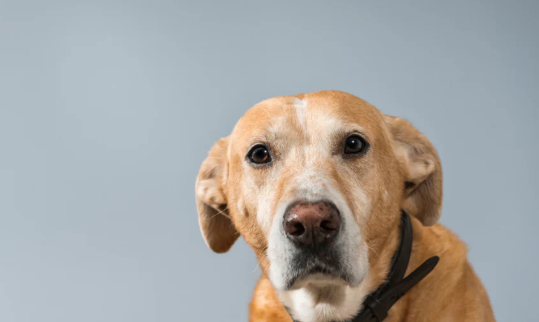
Rescuing a stray dog can be a rewarding yet challenging experience, especially if the dog is anxious. Understanding how to calm your new furry friend is crucial for their adjustment to a safe and loving environment. Here, we’ll explore effective methods to help soothe an anxious stray dog after rescuing them.
1. Create a Safe Space
The first step in calming an anxious stray dog is to establish a safe space for them. This should be a quiet area where they can feel secure and be away from the hustle and bustle of daily life. Utilize a crate or a designated room with cozy bedding, toys, and water. This space should be free of loud noises and distractions, allowing the dog to acclimate gradually to their new surroundings.
For instance, if you have children or other pets, ensure that their movements and voices do not overwhelm the dog. Not all stray dogs will feel comfortable in a crate initially; you may need to introduce the crate slowly by allowing them to explore it without pressure. Encourage them with treats and positive reinforcement to build positive associations.
-
- Choose a quiet room or corner of your home.
-
- Provide comfortable bedding and familiar scents.
-
- Make the space accessible, allowing the dog to retreat when needed.
-
- Be patient and respect the dog’s need for solitude.
-
- Introduce toys and engage with them gently.
2. Use Calming Techniques
Incorporate calming techniques that cater to the dog’s senses. For example, gentle petting and soft-spoken words can create a sense of comfort. You can also play calming music or white noise to drown out sudden, startling sounds from outside. Certain essential oils, like lavender, are known for their calming properties, but always ensure that they are safe for dogs.
Another effective technique is the use of anxiety wraps, which provide a gentle, constant pressure around the dog’s body. This can be especially comforting for many dogs, mimicking the feeling of being held. Always monitor your dog’s reaction to these techniques, and discontinue anything that does not seem to help or makes them uncomfortable.
-
- Pet the dog calmly, speaking in soothing tones.
-
- Play soft or calming music in the background.
-
- Consider using an anxiety wrap or vest.
-
- Utilize safe essential oils judiciously.
-
- Practice deep breathing techniques yourself to stay calm.
3. Gradual Exposure to New Experiences
After creating a safe space and employing calming techniques, the next step is gradual exposure to new experiences. Start with low-stress interactions, such as short walks around the home or yard, and slowly introduce the dog to other areas of your house. The goal is to prevent overwhelming them while encouraging them to explore and gain confidence.
Introducing your dog to new sounds, people, and environments should be done in a controlled manner. For example, invite a calm and friendly visitor to meet your dog, or expose them to the sounds of traffic or household appliances from a distance before moving closer. This gradual acclimatization builds their self-confidence and helps them learn to cope with new experiences at their own pace.
-
- Start with short periods of exposure to new environments.
-
- Limit interactions and allow the dog to approach on their own terms.
-
- Gradually introduce different people and pets.
-
- Reward them for brave behavior, building positive associations.
-
- Monitor their reactions and be ready to retreat if they show signs of stress.
4. Positive Reinforcement and Training
Positive reinforcement is a powerful tool for training and calming an anxious stray dog. Using treats, praise, and affection, reward your dog for exhibiting calm behavior and following commands. Start with simple commands like “sit” or “stay” and gradually introduce more complex tasks as their confidence grows.
Training sessions should be short but frequent, ensuring that they remain enjoyable and engaging for your dog. Incorporate socialization into these sessions by inviting friends or using dog parks, always ensuring that your dog feels comfortable and secure during these interactions. Consistent routines will help establish trust with your dog.
-
- Reward calm behavior with treats or praise.
-
- Keep training sessions short and fun.
-
- Introduce basic commands before advanced tricks.
-
- Socialize your dog gradually with other pets.
-
- Maintain a consistent routine to build trust and security.
Calming an anxious stray dog takes time, patience, and a lot of love. By providing a safe space, utilizing calming techniques, gradually exposing them to new experiences, and employing positive reinforcement, you can help your new friend adjust to their new life. Remember, if challenges persist, consulting a professional dog trainer or behaviorist may provide further support and guidance.