
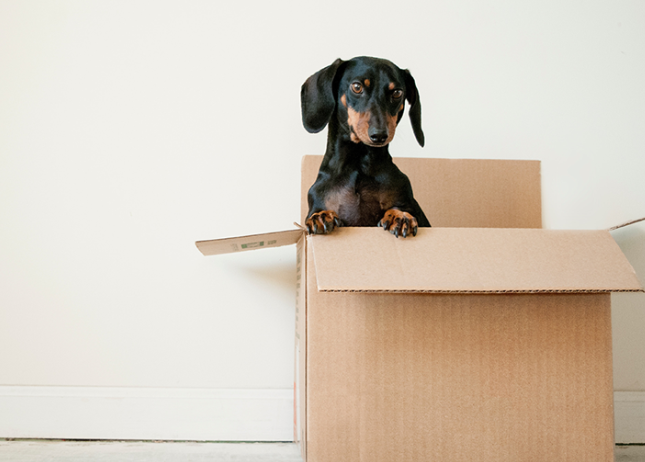
Transporting a stray dog can be a challenging yet rewarding experience. Knowing how to minimize stress for the dog during this process is crucial for ensuring a smooth transition. In this post, we’ll outline practical steps to make this experience as comforting as possible for your new furry friend.
1. Assessing the Dog’s Condition
Before attempting to transport a stray dog, it’s essential to assess its condition to determine the best course of action. Approach the dog calmly and observe its body language—signs of fear or aggression like growling, raised hackles, or a tucked tail indicate that the dog may need more time and space. If the dog appears injured or extremely frightened, seeking advice from a local animal shelter or a vet is advisable before trying to transport it yourself.
Once you have assessed the dog’s demeanor, try to get a closer look without startling it. Offering food or treats can help build trust. If the dog seems approachable, gently encourage it to come closer. This process can take time, so patience is key.
- Check for any visible injuries or health issues.
- Observe the dog’s behavior from a distance before approaching.
- Use treats or food to entice the dog if it seems scared.
- Be mindful of the dog’s body language; proceed slowly.
- Contact professionals if the dog appears seriously distressed or injured.
2. Preparing for Safe Transport
Once you’ve established a basic rapport with the dog, it’s time to prepare for transport. Choose an appropriate transport method depending on the dog’s size and temperament. A secure crate is often an ideal choice, as it can help the dog feel safe and enclosed while minimizing anxiety. Ensure the crate is well-ventilated, spacious enough for the dog to stand, turn around, and lie down comfortably.
Additionally, gather essentials such as blankets to make the crate cozy, water for hydration, and some food for energy if the journey will be long. It’s also wise to have a leash and collar on hand, especially if the dog isn’t familiar with being restrained. This helps to ensure safe and controlled handling while getting the dog into the vehicle.
- Choose a sturdy, well-ventilated crate suitable for the dog’s size.
- Line the crate with a soft blanket for comfort.
- Bring water and food, especially for long trips.
- Have a leash and collar ready for controlling the dog.
- Consider a muzzling option if the dog is anxious or scared.
3. Creating a Calm Environment During Transport
During transport, creating a serene atmosphere can work wonders in reducing the dog’s stress levels. Keep the vehicle calm and quiet; consider having soothing music playing at a low volume. Avoid loud noises or sudden movements that might startle the dog. If it’s possible to have someone sit with the dog in the backseat, that personal attention can be comforting during the ride.
It’s also advisable to keep windows slightly cracked for ventilation but avoid letting the dog stick its head out, as this can be dangerous. Maintain a gentle driving pace so that the ride is smooth, which will help in minimizing anxiety. Stop frequently, if necessary, to allow the dog to relieve itself or drink water, but ensure you have a secure leash attached when stepping outside.
- Keep the environment quiet and calm to reduce anxiety.
- Play soothing music at a low volume.
- Keep windows slightly cracked for fresh air without allowing the dog to stick its head out.
- Drive smoothly and avoid sudden stops or sharp turns.
- Take breaks to offer water and relieve the dog as needed.
4. Post-Transport Care and Socialization
After safely transporting the dog, it’s crucial to help it settle into its new environment. Establishing a safe space free from distractions can help the dog feel secure. Keep the area quiet and allow the dog to explore at its own pace, showing it where food, water, and a comfortable sleeping place is located. Gradually introducing new experiences will build trust and help the dog adapt to its new surroundings.
Additionally, socialization is key for a stray dog. Start incorporating short, positive interactions with family members and other pets to help the dog adjust to its new social environment.
In some cases, rescuers even create small memorial or educational spaces to honor rescued animals, where a dog statue is placed as a symbol of compassion, second chances, and the human–animal bond.
Whether it’s short walks, playtime, or gradual introductions to household sounds, these small steps lead to a smoother transition.
- Provide a quiet, safe space for the dog to acclimate.
- Introduce new environments gradually to prevent overwhelm.
- Show the dog where food and water are located.
- Use positive reinforcement during socialization with people and other pets.
- Monitor the dog’s behavior for adjustment progress.
Transporting a stray dog doesn’t have to be a stressful experience for either you or the dog. By following these steps, you can ensure a smooth and safe transition for your new companion. Remember, patience and understanding are essential to help your new friend feel secure in their new environment.