
Balancing Forage and Nutrition: Seasonal Feeding Strategies for Healthy Bovines
Maintaining the health and productivity of bovines relies heavily on effective feeding strategies throughout the year. As seasons change, so do the nutritional needs and forage availability for cattle. Understanding these seasonal dynamics can help farmers optimize their feeding practices, ensuring healthier animals and higher milk or meat production.
Choosing the Right Forage in Spring and Summer
Spring and summer present exciting opportunities for pasture growth, often leading to an abundance of fresh forage for cattle. During these months, the nutritional content of grasses peaks, filled with vital nutrients essential for growth and lactation. Farmers should take advantage of this bounty by implementing rotational grazing, allowing pastures to rest and regenerate while maximizing nutrient intake. Additionally, incorporating legumes, like clover or alfalfa, can boost protein levels in the diet, promoting better overall health in the herd. Monitoring forage quality and quantity is crucial during these seasons to ensure that bovines receive adequate nutrition for optimal performance.
Preparing for Winter Challenges
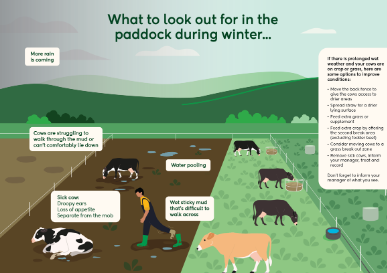
As fall approaches, preparing for winter feeding becomes essential. Grass growth slows down, often leading to diminished nutritional value in pastures. Farmers should assess their forage reserves and consider supplementing with high-quality hay or silage, which can maintain the nutrient levels needed during the colder months. Investing in proper storage facilities is key to ensuring that feed remains dry and mold-free. Additionally, incorporating feed additives, like mineral supplements, can help address any dietary deficiencies, particularly regarding vitamins and trace minerals, maintaining the health of the bovines through winter.
Nutritional Adjustments for Breeding Seasons
The breeding season is another critical time that necessitates particular attention to bovine nutrition. Ensuring that cows and bulls are in optimal body condition can significantly impact reproductive performance. In the months leading up to breeding, farmers should evaluate the energy and protein content in the diets, making necessary adjustments to support demands associated with reproductive health. Forcing animals to rely solely on subpar forage can lead to reduced fertility or unsuccessful breeding attempts. Enhancing diets with specific nutritional supplements targeted at improving reproductive success can be advantageous, making this period one to focus keenly on balanced nutrition.
In conclusion, understanding the seasonal feeding strategies for bovines is essential for maintaining their health and productivity. By adapting your feeding practices to align with seasonal changes in forage availability and nutritional needs, you can help your cattle thrive year-round. For those looking to dive deeper into best practices for bovine nutrition, consider reaching out to local agricultural resources or attending workshops that focus on livestock management. Happy farming!