
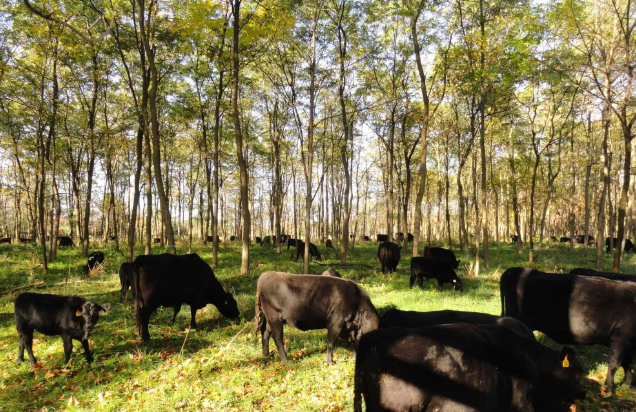
Nature’s Grazers: The Essential Role of Plant-Based Diets in Herd Health
Understanding the diets of grazing herd animals is crucial for sustainable agriculture, animal welfare, and ecosystem health. These plant-based diets directly influence the well-being of the animals, their productivity, and even the environment in which they live. Let’s explore the importance of plant-based diets in supporting the health and vitality of grazing herds.
Nutritional Needs of Grazing Animals
Grazing animals, such as cows, sheep, and goats, thrive on a diverse range of plant materials. Their bodies are specially adapted to digest fibrous grass and forage, which provide essential nutrients. A balanced diet that includes legumes, grasses, and minerals not only helps maintain optimal body condition but also supports reproduction and lactation. Moreover, incorporating a variety of plants enhances the nutritional profile of the herd’s diet, ensuring that these animals receive the necessary vitamins and minerals for their overall health.
Impact on Soil Health and Biodiversity
The grazing habits of herbivores significantly affect soil health and biodiversity. When animals graze in a sustainable manner, they help to naturally fertilize the land, promoting new plant growth. Their movement over the land aids in seed dispersal and creates microhabitats that support various forms of life. Additionally, well-managed grazing can lead to more resilient ecosystems, which is vital in combating climate change. Healthy pastures improve water retention and reduce soil erosion, demonstrating the interconnectedness of animal health and environmental well-being.
Economic Benefits of Plant-Based Diets
Feeding grazing herds on high-quality pasture can lead to significant economic advantages for farmers. Healthy animals that consume well-balanced plant diets are more productive, leading to higher yields of milk, meat, and wool. Furthermore, utilizing local plant resources decreases feed costs and reduces reliance on commercial feed, which can fluctuate in price. This not only supports local economies but also encourages sustainable farming practices, ensuring the longevity of agricultural operations. By investing in plant-based diets for grazing animals, farmers can boost their bottom line while prioritizing animal welfare and environmental stewardship.
In conclusion, the diets of grazing herd animals play a vital role in maintaining their health, the environment, and economic stability for farmers. By prioritizing plant-based nutrition, we can nurture sustainable farming practices that benefit everyone involved, from the animals to the ecosystems they inhabit. For more insights into sustainable agriculture and animal husbandry, consider exploring resources and organizations that focus on these vital topics. Together, we can ensure a healthier future for our herds and the world they inhabit.