
From Winter Foraging to Summer Grazing: Unraveling Bison Feeding Habits Across Seasons
Bison are remarkable creatures, serving as a quintessential symbol of the North American prairie. Understanding their feeding habits throughout the seasons is not only fascinating but also crucial for conservation efforts and land management. As these incredible animals transition from winter foraging to summer grazing, their dietary needs and behaviors shift significantly.
Winter Foraging: Adapting to Harsh Conditions
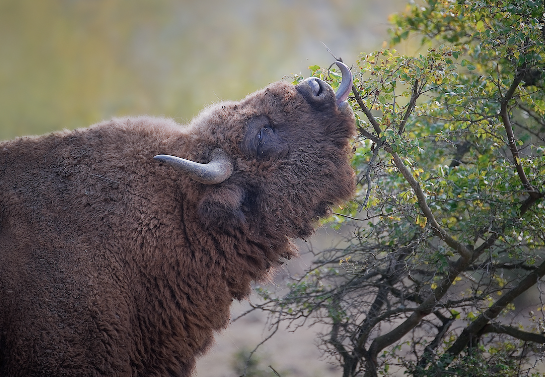
During the winter months, bison face challenging conditions. With snow covering the ground, their primary food sources become scarce. Unlike many other herbivores, bison are well-adapted to digging through snow to find grasses and forbs. They will employ their large heads and powerful neck muscles to sweep away snow and uncover nutritious plant material beneath. Additionally, during this time, bison may resort to eating woody plants, such as willows and aspen, when grasses are hard to find. This adaptation is critical for their survival, highlighting their resilience in the face of environmental challenges.
Spring Awakening: A Time of Abundance
As spring arrives, the landscape transforms, and so does the bison’s diet. The melting snow allows grasses to emerge, offering bison a fresh bounty. This time of year is essential for bison, as they replenish their energy reserves after the harsh winter. They graze on nutrient-rich young grasses and tender shoots, which are high in protein and crucial for pregnant females. The increased availability of food supports the growth of calves and prepares the herd for the upcoming summer months. Spring not only revitalizes the bison’s physical health but also establishes the foundation for the next generation.
Summer Grazing: A Feast for Giants
Summer presents an opportune time for bison to indulge in extensive grazing. During this season, the abundance of grasses reaches its peak, allowing bison to consume vast quantities of food. They prefer short, nutritious grasses to longer, less desirable ones. In addition to grasses, bison also enjoy a variety of wildflowers and herbs, which further enrich their diet. Interestingly, bison tend to graze in a cyclic pattern, rotating between different areas to prevent overgrazing. This behavior not only maintains the health of the ecosystem but also promotes biodiversity in their habitat.
Conclusion
Understanding bison feeding habits across the seasons provides valuable insights into their adaptability and ecological importance. From foraging in the snowy winter months to grazing on lush summer pastures, bison play a vital role in maintaining healthy grasslands—a role that is often symbolically represented through a bison sculpture, capturing their strength and enduring presence in the landscape. If you’re intrigued by these majestic animals and their behavior, consider exploring bison reserves or engaging with conservation efforts in your area. There’s so much more to learn about these incredible creatures and their impact on our ecosystems!